
Abedin M.H. Pour on building a detective story from a physics puzzle
Read how a scientific idea became the mystery at the center of Resonance.
Discover new releases from independent authors on Kindle Unlimited. We screen submissions for quality and eligibility, and you can browse by genre, explore story themes and series notes, and follow direct links to Amazon.
Shopping for someone who always has a book in progress? Start with seven Christmas gifts for indie authors and book lovers. For a writing-group exchange on a budget, try three gifts for authors under $25.
For a child who would rather unwrap a story, explore our favorite children’s books by independent authors, with a read-aloud idea for each pick.
Go behind the cover with author interviews, spoiler-free reading guides, and book reviews. If you are deciding what to read next, start with the guide below or choose an interview to see how an author put a story together.
Read how a scientific idea became the mystery at the center of Resonance.


See how an everyday setting can become unsettling in The Crossing.
By IndieUnlimited
When two books both sound good, read one scene from each and ask what you are curious about when you stop. A blurb gives you the premise. A scene shows what the book asks you to pay attention to for the next several hours.
Look for the first moment that leaves a character with a different problem from the one they started with. In a cozy mystery, that could be a neighbor giving two slightly different accounts of the same afternoon. In a fantasy, it might be a character breaking a rule they were counting on everyone else to follow. Stop there and finish this sentence: “I want to see whether…” If you can finish it with a specific question, you have a reason to come back.
Openings often promise a bigger reveal later. The pages before the reveal are still where you will spend most of your reading time. In a mystery, you might like revisiting an ordinary detail after it acquires a second meaning. In romantasy, you might enjoy watching two characters negotiate a favor that gives each of them leverage. If the small moments already work for you, you have something to look forward to even when the story slows down.
If the mystery’s setting pulled you in but the narrator felt too distant, sample another story with the same sort of setting and a narration style you prefer. If you were interested in a fantasy’s political bargain but lost track of the names, look for an opening centered on one relationship or one immediate task. Changing one thing at a time makes it easier to tell whether you want a different book or a different genre tonight.
Write down the detail you would use to sell a friend on reading another chapter. Try “I want to know why the suspect lied about the dog” or “I want to see what the favor costs her.” If you are comparing a few samples over several days, those scraps are easier to act on than a list of titles you barely remember.
Try the method with two picks from our cozy mystery guide, or compare openings with different kinds of stakes in our fantasy guide and romantasy guide.
IndieUnlimited is an independent book discovery site. Catalog entries use listing and submission details to help readers compare story premises, genres, and series. Author Q&As present the author’s perspective, and our blog labels book reviews and reading guides so you know what you are opening. Kindle Unlimited availability can change, so check the current ebook listing before borrowing.
Some shopping links earn an affiliate commission, and paid book placements are labeled Sponsored. If a series detail, credit, availability note, or link needs correcting, email IndieUnlimited with the title and the page where you saw it.
 Worlds to get lost in
Start with the kind of adventure you want: magical worlds, dangerous journeys or a story with a darker edge.
Browse the fantasy shelf → Magic meets romance
Explore slow burns, fae courts and magical bargains. Compare the premise and series notes before opening a sample.
Browse the romantasy shelf → A puzzle and a place to settle
Try a food-focused mystery, a campground setting or a community where somebody always knows too much.
Browse the cozy mystery shelf →These picks compare the published premises. Open the sample for the reading experience you want tonight, then use the question under each pick to decide whether to keep going.

A Small State of Chaos by Alasdair Jackson sends the sole spy of a tiny nation into a London Underground murder investigation. The one-person agency is the hook: this is a good premise to sample when you want the bureaucracy to be as entertaining as the danger.
In the sample: Do you enjoy how the spy reacts when the job gets absurd? The voice is a better deciding factor here than the number of twists promised.

Adverse Effects by Roselle Richards pairs a forbidden connection in a rehabilitation program with memories the protagonist can’t fully trust. Try it when you want the relationship itself to complicate the mystery.
In the sample: Does the uncertainty make you curious about what the protagonist wants, or mainly about what happened? If you prefer a clear trail of clues, try a cozy mystery first.

Echoes in the Void by Mark Young brings together a hidden researcher, a ministry scientist and an escaped experimental subject. It’s the pick to sample if you like piecing together who controls a technology and who pays the price for it.
In the sample: Can you name one rule of the world and one character who has a reason to break it? If both interest you, this opening has given you a reason to explore the trilogy.
Prefer a mystery with a familiar setting? Explore the cozy mystery guide.
First books from independent authors, selected with care.
Make your reading time more comfortable, or find tools for your next publishing project.
Some evenings call for court politics and a slow burn. Other evenings, you want a dangerous magical bargain and two people who have very good reasons to stay away from each other. There is room for both on the reading list. These four books from our romantasy shelf offer different ways into the genre, so pick the problem you would most enjoy watching someone else deal with.
October 15, 2026 · By IndieUnlimited
Read the guideCozy mysteries offer a curious kind of comfort. Something has gone badly wrong, but there is also a place to settle into and a collection of people who are probably going to know far too much about one another. If that sounds like your sort of reading evening, here are four ways into our cozy mystery shelf.
October 15, 2026 · By IndieUnlimited
Read the guideWe have military space adventures in the catalog, but science fiction can take you well beyond a fleet engagement. It can give you a detective on a generation ship, a machine beginning to question its routine, or ordinary people stranded somewhere very inconvenient. Here are four different directions to try.
October 15, 2026 · By IndieUnlimited
Read the guidePublishing a book is a huge achievement. Finding its first readers can feel like starting all over again. Here’s why giving an indie author a chance matters.
October 11, 2026 · By IndieUnlimited
Read the storyFrom forest magic and fey courts to queer romance and New Orleans classrooms: meet six debut authors with a distinctive reason to be on your radar.
October 11, 2026 · By IndieUnlimited
Read the watchlistSet a reading goal, compare Kindle costs, or work out the numbers for your next book launch.
Explore the CalculatorsIndieUnlimited is an independent book discovery directory with reading guides, author spotlights and listings across fantasy, romance, mysteries, science fiction and more. Browse the directory to compare titles, authors, languages and story themes.
Browsing the directory is free, and authors can submit a book for free consideration. Optional paid featured placements are separate and labeled Sponsored. Listing does not guarantee sales or a review.
Follow the book’s Amazon link and check the current ebook edition in your region. Inclusion and availability can change. A book being sold for Kindle does not by itself mean it is included in Kindle Unlimited. Read the sample before deciding whether it suits you.
Choose a genre you already enjoy, then compare a few premises and try an opening sample. Our fantasy, romantasy and cozy mystery guides offer places to begin. Check series order and optional content notes when those details matter to your choice.
For readers 18 and older
Explore indie romance, paranormal reads, and gothic fantasy.
26 books

Gothic romance
Iris inherits a cottage on a remote Scottish loch. Then people start disappearing, and a stranger from the water asks to come inside.
View on Amazon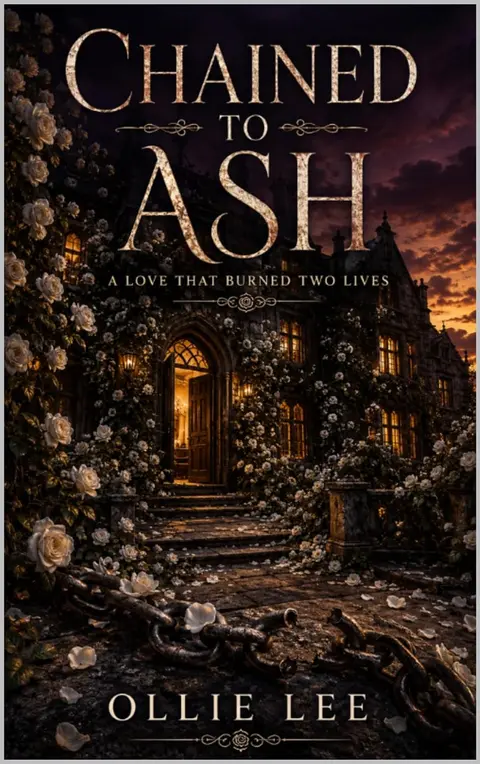
Gothic romance
Elena arrives at her new husband’s estate with another woman’s memories. The clues lead to a locked wing and a murder that never stopped haunting him.
View on Amazon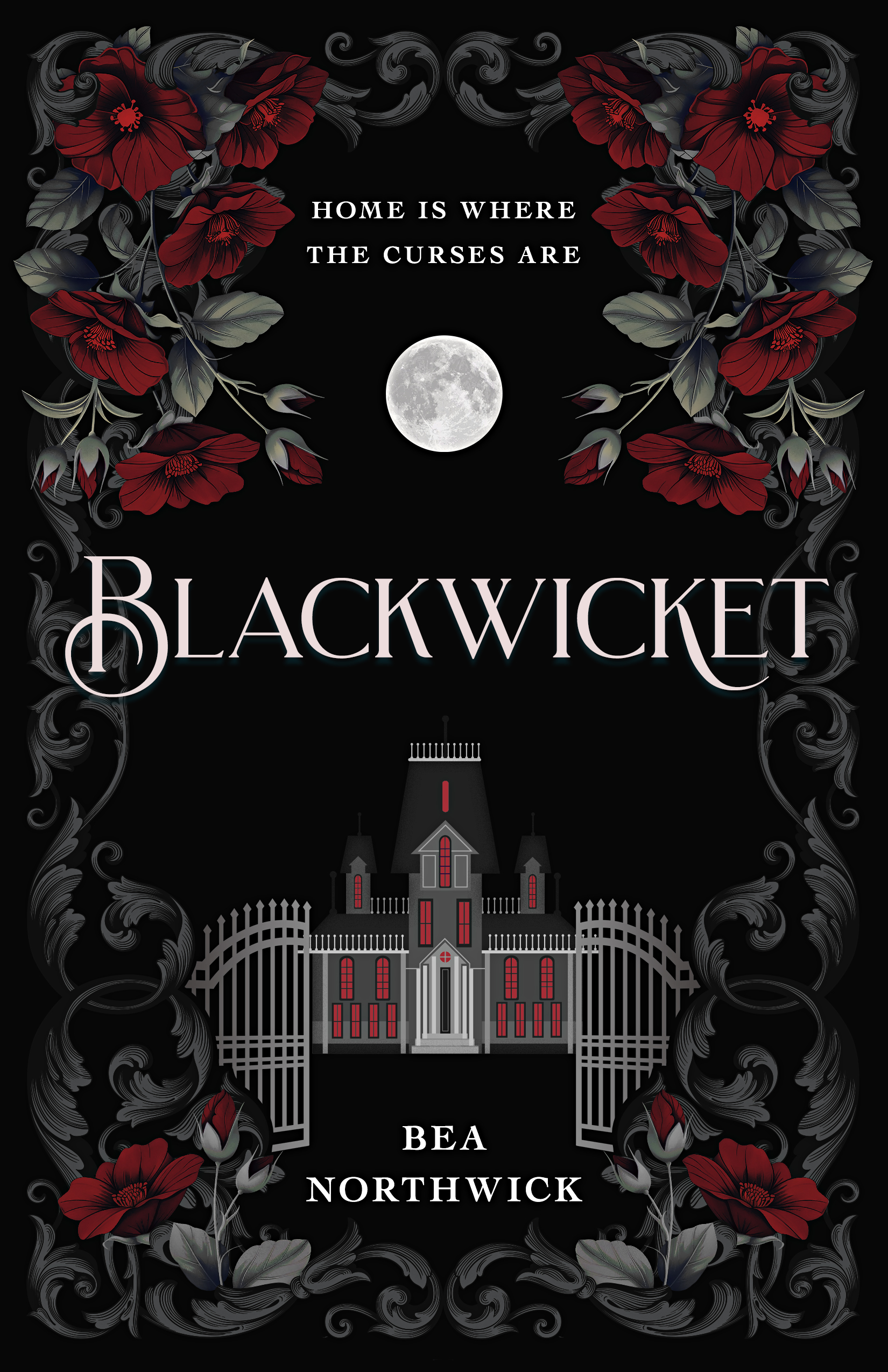
Gothic romance
After her sister dies, Eleanora returns to her family’s cursed home, where an inspector hunting illegal magic threatens to uncover why she went into hiding.
View on Amazon
Contemporary romance
Begonia agrees to pose as a reclusive billionaire’s girlfriend to fend off his matchmaking relatives. The deal gets complicated when she starts falling for him.
Find the book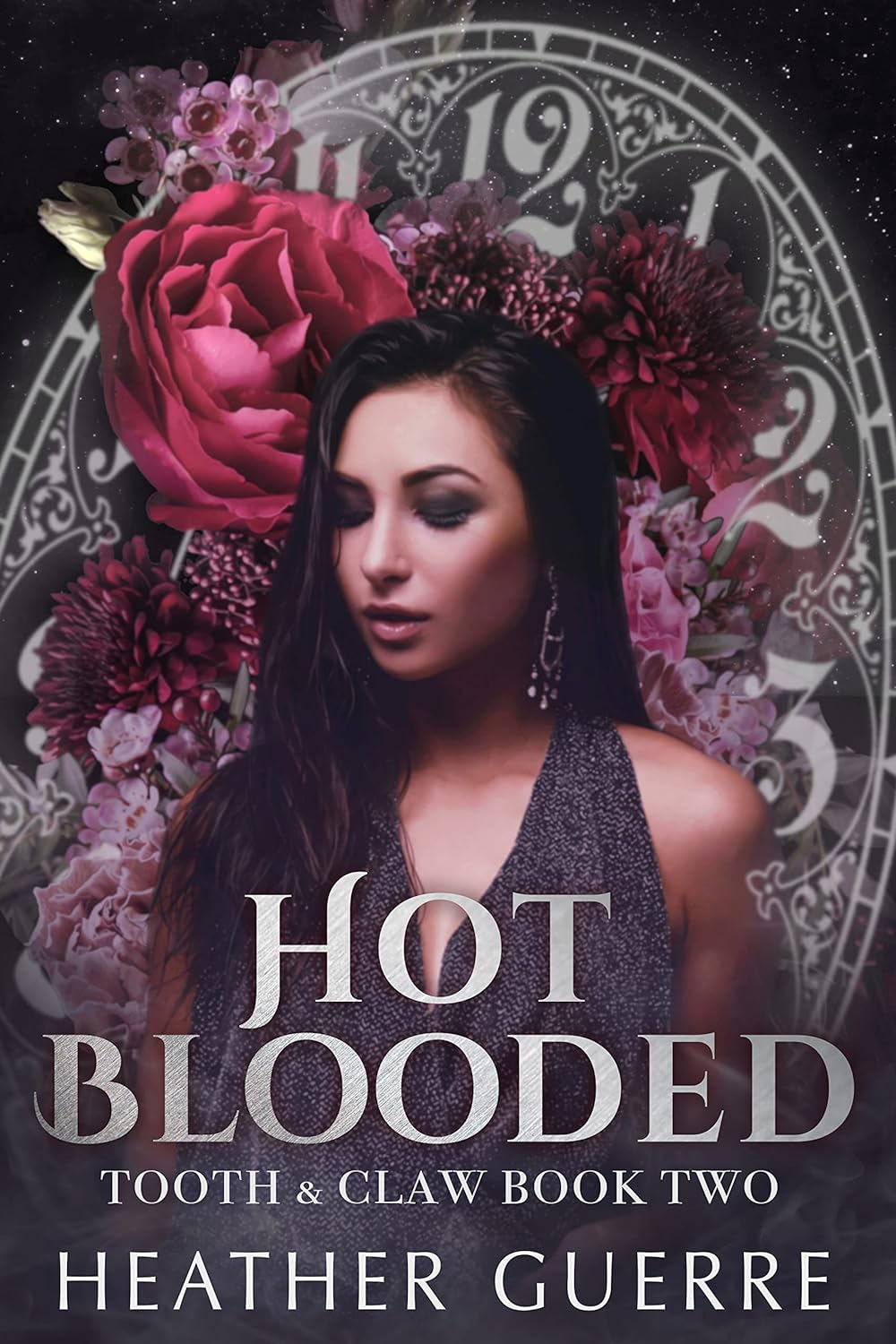
Paranormal & monster romance
Tessa signs up to be a paid blood donor to get out of debt. Her match, a gentle vampire named Amos, hopes their arrangement might turn into something lasting.
Find the book
Gothic & dark fantasy
A lost traveler makes a bargain with the prince of the Stag Court. She has a year and a day to win back her freedom, but the prince may be the only person at court she can trust.
Find the book
Contemporary romance
Reporter Kenna Crawford looks into the fire that killed Ripley Fox’s family. As the two grow closer, the investigation forces Ripley to revisit the night she’s spent years trying to put behind her.
Find the book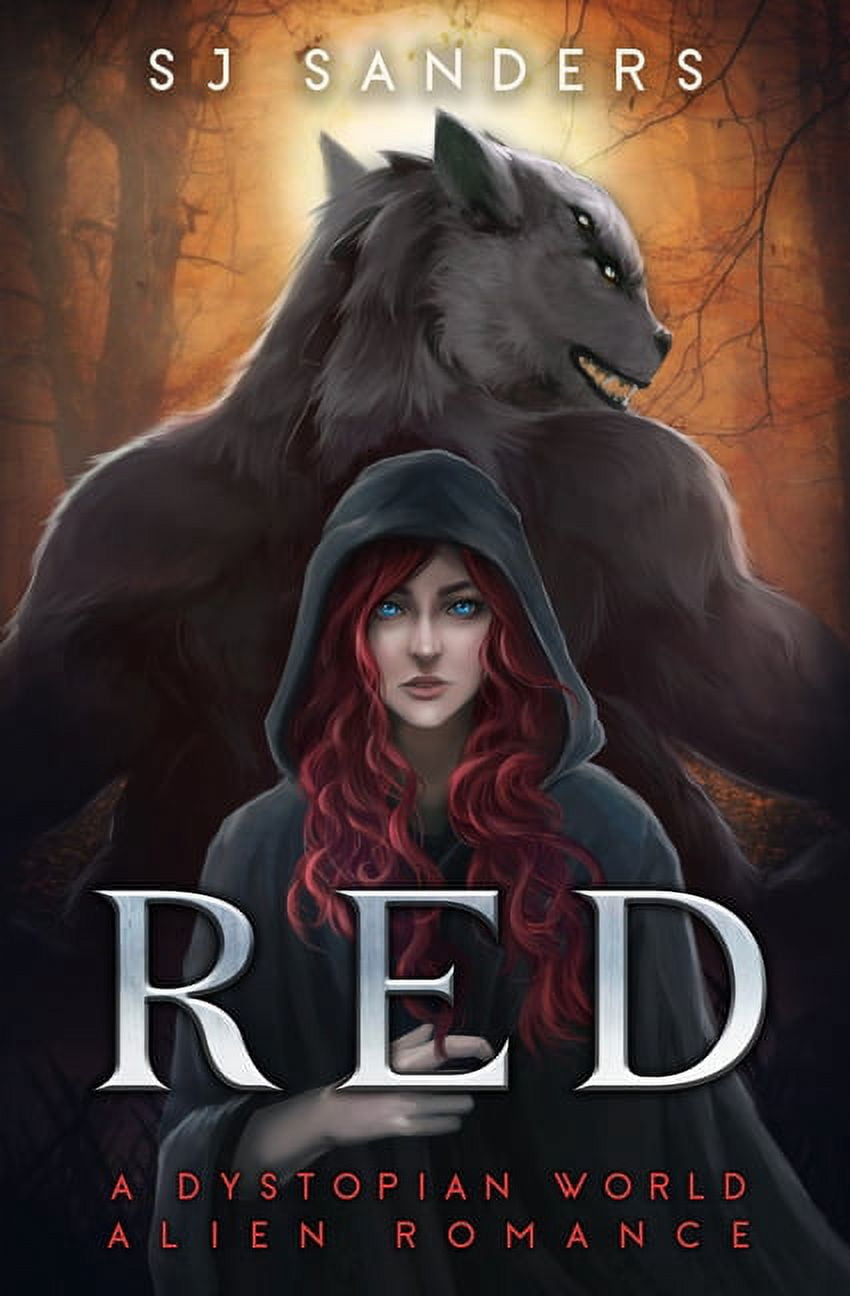
Paranormal & monster romance
After the village discovers the secret she’s been hiding under her hood, Arie flees into the forest. Reaching her grandmother means trusting the wolf-like aliens she was taught to fear.
Find the book
Gothic & dark fantasy
Ada strays into the domain of an undead king who refuses to let her go. This opening book in the Pale Court duet includes coercion, violence, and horror.
Find the book
Contemporary romance
A holiday party mix-up makes Riley rethink what she wants from Gianna, her best friend of ten years.
Find the book
Contemporary romance
Two people who can barely get through a conversation without arguing agree to play a couple for a month. The longer they keep it up, the more convincing it feels.
Find the book
Contemporary romance
After a fight at work, two surgeons are ordered to spend eight weeks in conflict-resolution counseling. It turns out they agree on more than either wants to admit.
Find the book
Paranormal & monster romance
Cambric Creek event planner Grace takes a chance on a charming mothman scientist who makes her rethink what she wants after divorce.
Find the book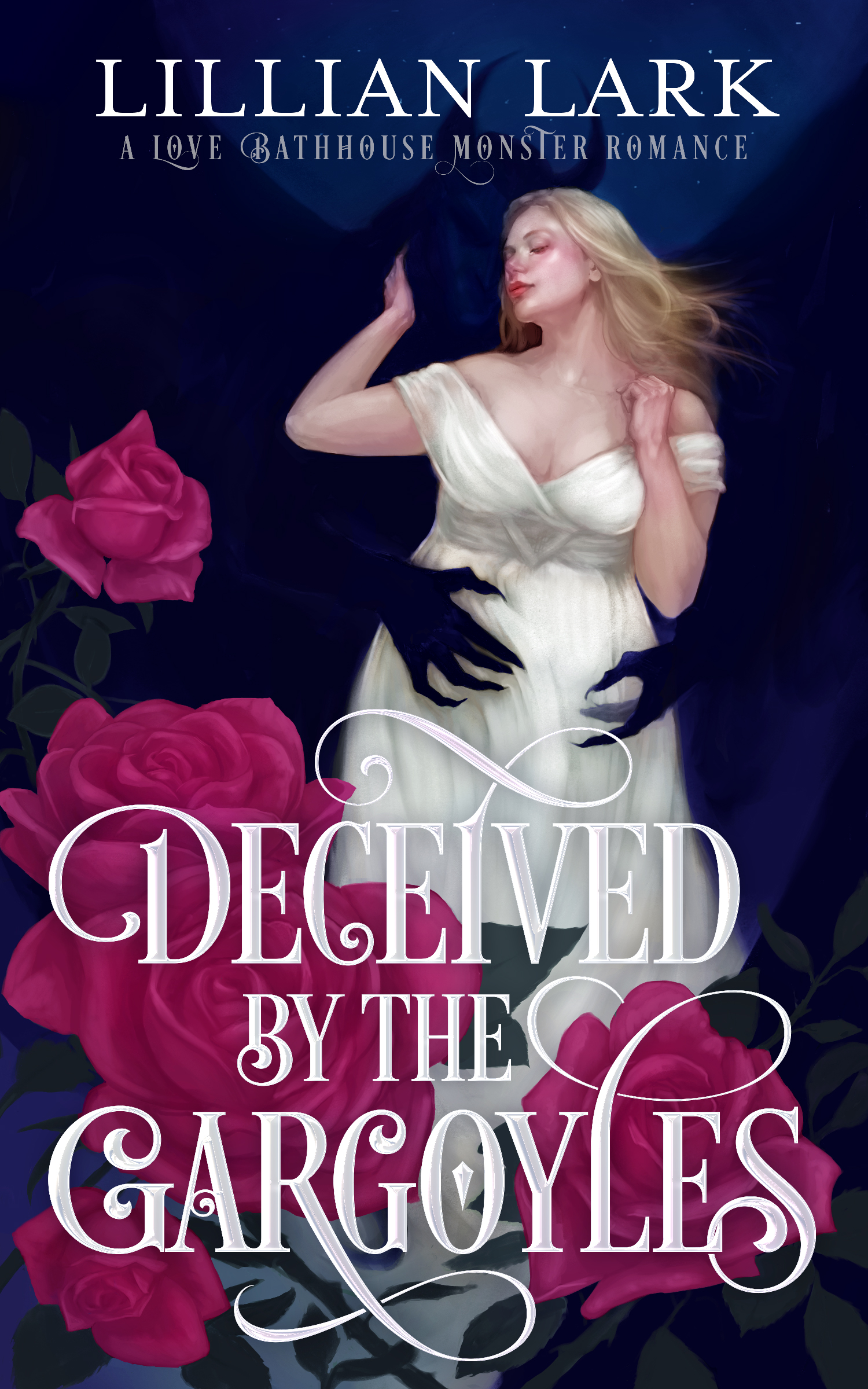
Paranormal & monster romance
Librarian and witch Grace asks a matchmaker for help finding a family of her own. She meets Elliot and soon discovers that he already has two mates.
Find the book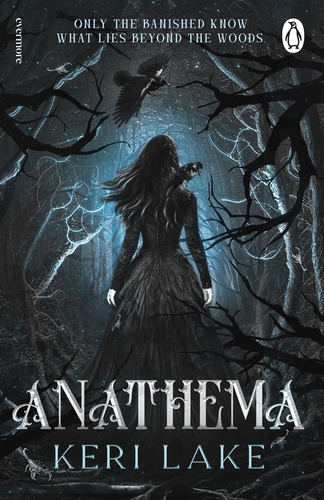
Gothic & dark fantasy
Maevyth flees into a forbidden forest and crosses into a realm where a cursed lord must keep her hidden from the mages hunting her.
Find the book
Gothic & dark fantasy
Aerial performer Zita enters a fae prince’s court to avenge her sister. When her attempt fails, she has to fight for her freedom from inside his court.
Find the book
Contemporary romance
Shay needs a spouse to keep the tulip farm she inherited. Back in her Rhode Island hometown, she reconnects with Noah, a former classmate raising his niece.
Find the book
Contemporary romance
A grad student and an aspiring politician meet on a dating app. They agree to stay friends, even as their lives become harder to untangle.
Find the book
Paranormal & monster romance
Violet takes an unusual job in Cambric Creek and develops a crush on a reserved minotaur who keeps asking for her by name.
Find the book
Paranormal & monster romance
A witch who needs magic to keep her bathhouse running strikes a bargain with a sea creature who wants her to be his match.
Find the book
Gothic & dark fantasy
Lan journeys to the walled city of Haven to confront its undead ruler and bargain for an end to the war that is destroying what’s left of humanity.
Find the book
Paranormal & monster romance
A thief hires a serpent bodyguard after stealing from a powerful organization. When her enemies close in, the two have to stay close to survive.
View on Amazon
Paranormal & monster romance
A village offers Reia to a skull-faced Duskwalker in exchange for protection. Beyond the Veil, she discovers there is more to him than the stories she grew up hearing.
Find the book
Gothic & dark fantasy
A student investigating the illness that killed her mother falls for a pathologist at a secluded island university, where the midnight lab holds secrets of its own.
View on Amazon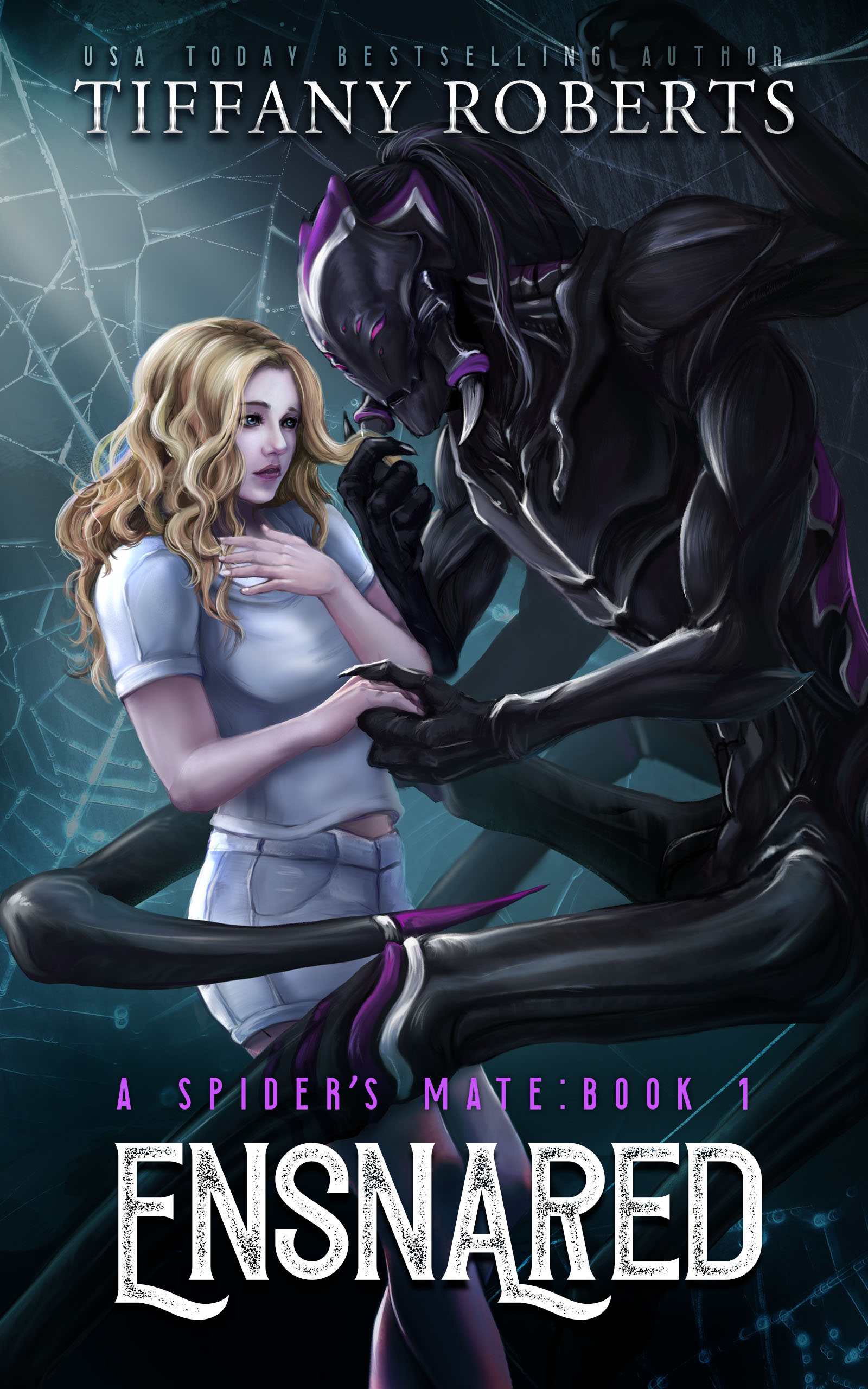
Paranormal & monster romance
A human survivor and a spider-like alien hunter cross paths in a jungle ruled by a ruthless queen. Their bond puts them both in her sights.
Find the book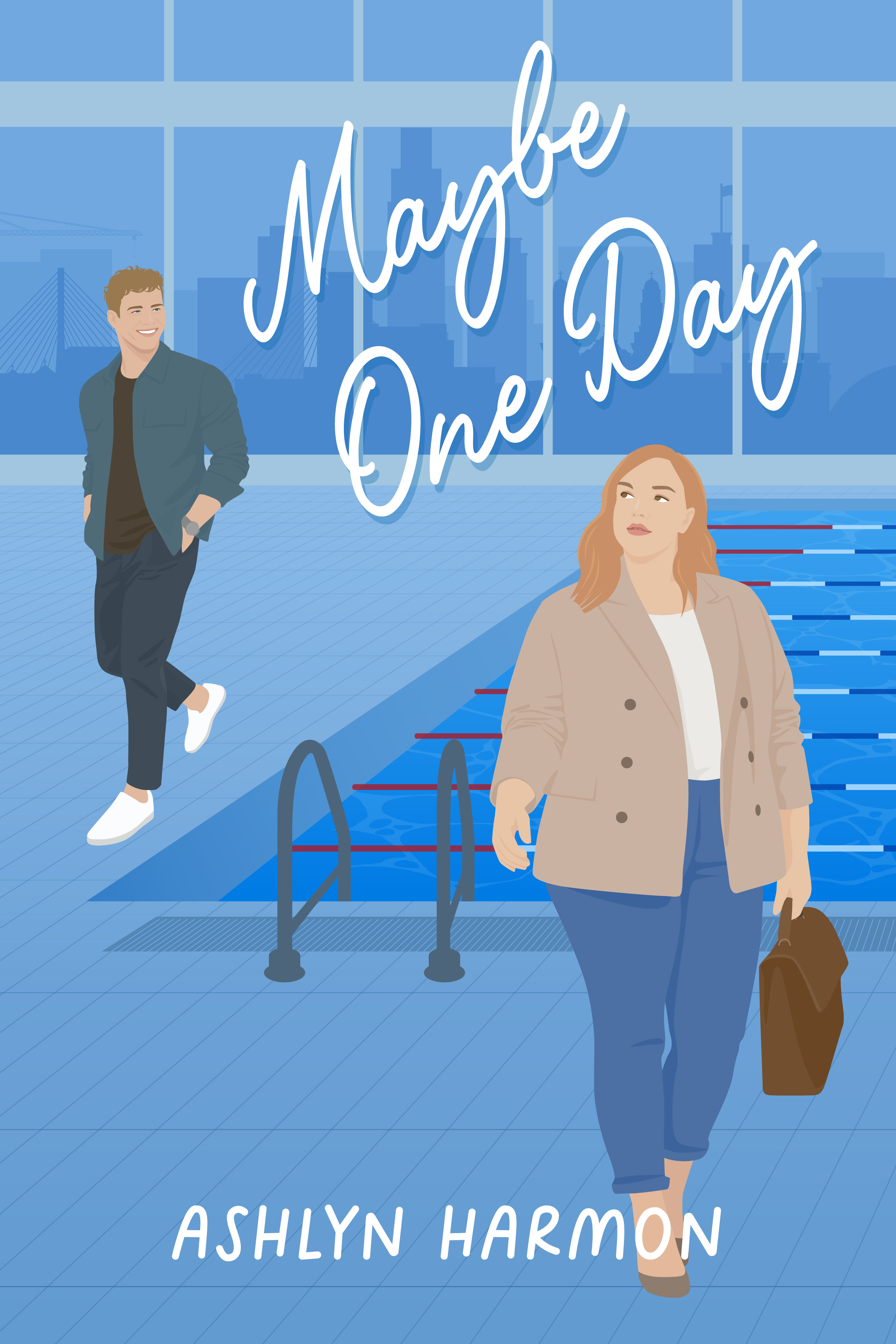
Contemporary romance
A second-chance swimming romance about an Olympic champion and the woman who walked away from the sport they shared.
Find the book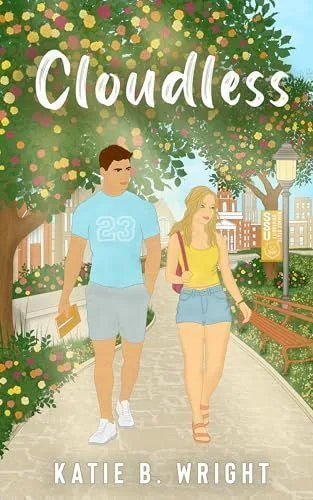
Contemporary romance
A slow-burn college hockey romance that follows Lila and Kam as friendship turns into something more.
View on Amazon
Contemporary romance
A Chicago-set rockstar romance with longtime friends, found family, and feelings that are getting harder to keep quiet.
View on Amazon
Contemporary romance
A cozy sapphic slow burn about a barista and an architect learning to trust again.
View on AmazonFind a story that fits your mood. Browse independent ebooks by genre and language, or search titles, authors and story themes.
Kindle Unlimited availability can change. Check the current ebook listing on Amazon before borrowing. Some books contain mature themes.
The latest books accepted into the IndieUnlimited directory, newest first.
Discover your next favorite author from their very first book.
This collection highlights first published books by self-published authors. Selections must be available through Kindle Unlimited, have author-confirmed no AI-generated manuscript text, and pass our review for writing, editing, formatting and an effective opening.
Inclusion is free. Paid placements, when present, are labeled Sponsored.
Just published an ebook on Kindle Unlimited? Submit it for free consideration in the IndieUnlimited directory and help readers in your genre discover your new book. No account required.
Trouble viewing the form? Open the submission form in a new tab.
Submitting book details means you have read our Privacy Policy and Terms. For an existing submission or payment enquiry, email [email protected] with your book title and, if relevant, your payment reference. Do not include card numbers or other sensitive financial details.
We’ll review your book for quality and Kindle Unlimited eligibility. If accepted, it will be added to the directory so readers can discover it and visit its Amazon page.
Purchase a featured package, then submit your book for review. If accepted, your book receives a sponsored placement for readers browsing its genre.
Discover our featured selections.
One book per package. Limited placements, subject to approval and availability. Featured placement does not guarantee clicks, sales, Kindle Unlimited reads, or reviews.
By purchasing, you agree to the Terms and refund policy. Square checkout opens in a new tab. Once payment is complete, return here to submit your book.
Your promotion begins when the featured placement goes live, on the confirmed start date. It does not begin when you pay or submit your book.
We’ll notify you and issue a full refund to your original payment method if your book does not meet our quality, suitability, or Kindle Unlimited eligibility requirements. We also refund you if we cannot provide the featured placement. Payment does not guarantee acceptance. The time it takes for a refund to appear depends on your payment provider and bank.
Your sponsored placement ends. Your regular directory listing can remain as long as your book continues to meet our eligibility requirements.
No. Payment is collected first, but your book is reviewed before any listing or featured placement is published. Featured books must meet the same quality and Kindle Unlimited eligibility requirements as other directory listings.
Yes. Your graphic will show the month and year of your feature, so you can keep sharing it after your paid placement ends.
Your Kindle. Your reading corner.
Explore the latest Kindle family and the accessories that make reading fit your everyday life.
Affiliate disclosure: As an Amazon Associate I earn from qualifying purchases. We may earn a commission when you purchase through Amazon links on this page.
The newest Kindle, Paperwhite and Colorsoft family was announced October 1, 2026. Compare it alongside the current Scribe range. Product images show the linked edition; other colors and storage options may be available.
Availability and preorder status can change. Check Amazon for current pricing and delivery dates. Amazon’s newest Kindle announcement · Scribe lineup details
 Product image unavailable
Compact 6-inch reader, 16 GB.
Check before buying: Confirm the edition, availability and shipping date on Amazon.
View on Amazon (opens in a new tab)Amazon affiliate link Product image unavailable
Large-screen reading and handwritten notes, with a pen.
Check before buying: Confirm the edition, availability and shipping date on Amazon.
View on Amazon (opens in a new tab)Amazon affiliate link Product image unavailable
Amazon’s Bluetooth page-turn remote.
Check before buying: For Kindle models released in 2024 or later. Confirm your exact model on the listing.
View on Amazon (opens in a new tab)Amazon affiliate link Product image unavailable
Magnetic cover with physical page-turn buttons.
Check before buying: For 2026 Paperwhite Signature Edition and Colorsoft Signature Edition; not universal.
View on Amazon (opens in a new tab)Amazon affiliate link Product image unavailable
Amazon’s magnetic charging stand.
Check before buying: For 2026 Paperwhite Signature Edition and Colorsoft Signature Edition. Check the included adapter.
View on Amazon (opens in a new tab)Amazon affiliate linkBrowse the main accessory categories for new and older Kindles. Illustrations represent each category; shopping buttons open Amazon results so you can choose the right fit.
Protect the screen and body with a cover made for your Kindle.
Check before buying: Match model, release year and generation. Check whether magnetic attachment or automatic wake/sleep is supported.
Browse on Amazon (opens in a new tab)Amazon affiliate link · Category illustrationA padded home for your reader and small travel essentials.
Check before buying: Measure the device with its case attached and allow room for closures.
Browse on Amazon (opens in a new tab)Amazon affiliate link · Category illustrationExplore screen protection options for your exact device.
Check before buying: Check fit, glare and touch sensitivity. For Scribe, consider how the protector affects pen feel.
Browse on Amazon (opens in a new tab)Amazon affiliate link · Category illustrationChoose a table stand, flexible arm or cushioned holder.
Check before buying: Check stability, device weight, clamp width and support with your case fitted.
Browse on Amazon (opens in a new tab)Amazon affiliate link · Category illustrationExplore alternatives for hands-free page turning.
Check before buying: Check exact device compatibility. Screen-clipping remotes and Bluetooth remotes work differently.
Browse on Amazon (opens in a new tab)Amazon affiliate link · Category illustrationMake longer reading sessions easier to hold.
Check before buying: Confirm attachment method and whether it fits your case or blocks charging.
Browse on Amazon (opens in a new tab)Amazon affiliate link · Category illustrationFind writing accessories for the Kindle Scribe family.
Check before buying: A pen does not add handwriting support to ordinary Kindles. Check Scribe generation and nib compatibility.
Browse on Amazon (opens in a new tab)Amazon affiliate link · Category illustrationKeep a spare cable by your reading chair or in your bag.
Check before buying: Check the charging port; older Kindles may use micro-USB instead of USB-C.
Browse on Amazon (opens in a new tab)Amazon affiliate link · Category illustrationFind an adapter that works with your charging cable.
Check before buying: Check the device’s charging requirements and what is already included before adding another adapter.
Browse on Amazon (opens in a new tab)Amazon affiliate link · Category illustrationExplore docks for Kindle models that support wireless charging.
Check before buying: Support depends on the model and generation. A wireless dock and the new magnetic charging stand are different systems.
Browse on Amazon (opens in a new tab)Amazon affiliate link · Category illustrationPersonalize the outside of your reading companion.
Check before buying: Match dimensions and avoid covering ports or attaching permanent adhesive to the screen.
Browse on Amazon (opens in a new tab)Amazon affiliate link · Category illustrationKeep a soft cloth handy for fingerprints and everyday care.
Check before buying: Follow your device’s care instructions; avoid abrasive materials and spraying liquid directly onto it.
Browse on Amazon (opens in a new tab)Amazon affiliate link · Category illustrationA focused light for your paperback reading corner.
Check before buying: Compare brightness, warmth, clip weight and battery life.
Browse on Amazon (opens in a new tab)Amazon affiliate link · Category illustrationKeep your reading list, favorite passages and book notes together.
Check before buying: Look at sample pages and choose a layout you will use.
Browse on Amazon (opens in a new tab)Amazon affiliate link · Category illustrationSimple companions for your physical books.
Check before buying: Check book dimensions and bookmark thickness.
Browse on Amazon (opens in a new tab)Amazon affiliate link · Category illustrationExplore indie books in the directory or view the Kindle Unlimited membership options available to you.
The Amazon button is an affiliate link. Offers and eligibility are determined by Amazon.
Look for device information in your Kindle’s settings or your Amazon device-management page. Match the model, generation and screen size against the accessory listing.
Do not assume it will. Screen size alone does not establish compatibility; dimensions, buttons and attachment systems can change.
Give your story a strong start.
Useful tools for preparing, polishing and sharing your book. Begin with the free resources, then choose paid help where it makes a difference.
Affiliate disclosure: As an Amazon Associate I earn from qualifying purchases. We may earn a commission when you purchase through Amazon links on this page.
Amazon shopping links are affiliate links. KDP help and Reedsy links are ordinary resource links; no referral commission is configured for those services.
Start with Amazon’s official manuscript formatting help and publishing resources.
Before you choose: Choose the guidance for your book format and trim size. Check the latest requirements before uploading.
Explore KDP tools (opens in a new tab)Generate a print-cover template using your chosen book specifications.
Before you choose: Use your final interior page count and the correct paper, binding and trim size.
Open cover calculator (opens in a new tab)Explore Reedsy’s articles on craft, editing and the publishing process.
Before you choose: Use advice that fits your genre and goals. The wider Reedsy site also offers paid services.
Browse writing guides (opens in a new tab)Use Reedsy’s marketplace to explore professional editing and design services.
Before you choose: Compare relevant portfolios, sample work, quotes, revision terms and the rights included.
Explore Reedsy (opens in a new tab)Explore web design services for an author website that introduces your work and helps readers find your books.
Explore website services (opens in a new tab)Keep track of scenes, research, deadlines and your next book’s ideas.
Before you choose: Choose a layout you will keep using. An ordinary notebook can work just as well as a specialist planner.
Browse notebooks (opens in a new tab)Amazon affiliate linkThree established guides selected for strong reader feedback and recognition from authors, editors and writing educators. Choose the guide that fits your next draft.
 Cover unavailable
Stephen King
Part memoir and part craft guide, with practical discussion of writing routines, clear prose and revising a draft.
View on Amazon (opens in a new tab)Amazon affiliate link Cover unavailable
Jessica Brody
A structured approach to planning a novel and diagnosing plot problems through turning points, character goals and beat sheets.
View on Amazon (opens in a new tab)Amazon affiliate link Cover unavailable
Renni Browne & Dave King
Professional editors explain how to revise dialogue, exposition, viewpoint and narrative distance, with examples and exercises.
View on Amazon (opens in a new tab)Amazon affiliate linkStart with the tools you already have. These shopping categories help you compare options when you need something new; listings, prices and availability change.
Capture ideas, annotate drafts and organize revision notes.
Before you buy: Compare ink type, tip size and bleed-through on your paper.
Browse on Amazon (opens in a new tab)Amazon affiliate linkExplore laptops for drafting, research and managing your author business.
Before you buy: Check your writing software’s requirements, keyboard comfort, battery life and included warranty.
Browse on Amazon (opens in a new tab)Amazon affiliate linkA portable option for notes, reading and drafting on the go.
Before you buy: Check whether your writing app works on the tablet. Match keyboard cases and pens to the exact model; Kindle readers do not replace a writing tablet.
Browse on Amazon (opens in a new tab)Amazon affiliate linkExplore a separate keyboard and mouse for your writing desk.
Before you buy: Check operating-system support, Bluetooth or USB connection, keyboard layout and charging needs.
Browse on Amazon (opens in a new tab)Amazon affiliate linkFind a stand to arrange your laptop at a comfortable viewing height.
Before you buy: Check size, weight capacity and stability. A raised laptop may work best with a separate keyboard and mouse.
Browse on Amazon (opens in a new tab)Amazon affiliate linkKeep an additional copy of your drafts, covers and publishing files.
Before you buy: Check ports, capacity and backup-software support. Keep another backup separately from your computer and drive.
Browse on Amazon (opens in a new tab)Amazon affiliate linkWork through this checklist as you prepare your book. Checkmarks are temporary and may reset when this page reloads.
Updated November 17, 2026
This policy describes how IndieUnlimited uses information in connection with indieunlimitedbooks.com, book submissions, enquiries, and featured placements.
When you submit a book or enquiry, we receive the information you provide, such as your name, email address, book title, Amazon link, genre, and notes. For featured purchases, we may receive payment status, customer contact details, transaction references, and refund information from Square.
Our hosting, form, and payment providers may process technical information, such as IP addresses, device and browser information, cookies, and usage logs, to deliver and secure their services. Do not include passwords, card numbers, or sensitive personal information in form notes.
Approved listings may publicly display book titles, author names, genres, descriptions, cover images where authorized, and Amazon links. Contact email addresses and private notes are not intended for public display.
Our resource pages contain Amazon affiliate links with a tracking identifier. When you follow them, Amazon may use cookies or other technologies to attribute qualifying activity under its own privacy notice. We may receive aggregate referral and earnings reports; we do not receive your card details through these links.
Fullscope supplies our hosting and submission form. Square handles checkout and payment processing on its own service. We do not ask you to enter card details into our book submission form. Providers process information under their own applicable terms and privacy notices.
Book links take you to Amazon. Those websites have their own privacy practices. This policy does not control information you provide directly to another service. See Square’s buyer privacy notice for information about its processing.
We may also disclose information where required by law or where reasonably necessary to protect rights and address fraud or security issues.
This site includes Google AdSense code. When ads are served, Google and other ad providers may place and read cookies in your browser or use web beacons, IP addresses, and other identifiers to collect information. These technologies can help deliver and measure ads and, depending on your settings and choices, personalize them. Google and its partners may use information from visits to this and other websites. Read how Google uses information from sites that use its services and manage personalization in Google My Ad Center.
The directory does not require a reader account. The hosting platform and embedded services may use cookies or similar technologies. Use available provider consent controls and your browser settings to manage them; blocking them may affect the form or checkout.
We keep submission and transaction information as needed to manage listings, respond to requests, and meet applicable recordkeeping obligations. You can request access, correction, deletion, or removal of a public listing through our submission form. Put “Privacy request” at the start of your message. We may need to verify the request, and some records may need to be retained where legally required.
Contact IndieUnlimited through the submission form. We may update this policy as the website changes; the effective date above will identify the current version.
Effective October 4, 2026
These terms apply to using IndieUnlimited at indieunlimitedbooks.com, submitting a book, purchasing a featured placement, and using our resource pages. Product and service choices are your responsibility; confirm current prices, compatibility and provider terms before purchasing. Resource listings do not imply that we have personally tested each product or service. Our Privacy Policy explains how information is handled.
IndieUnlimited helps readers discover independently published ebooks available through Kindle Unlimited. No reader account is required. Books are purchased or borrowed through Amazon, subject to Amazon’s terms and any applicable subscription charges. Availability can change; confirm current eligibility on the ebook’s Amazon page.
A listing is a discovery recommendation, not a promise that we have read every page, verified every author claim, or guaranteed the book’s quality. Editorial starter selections do not imply an author partnership or payment. IndieUnlimited is not affiliated with or endorsed by Amazon or Kindle Unlimited.
Regular submission is free and does not guarantee acceptance, publication, or a response within a particular time. We review quality, suitability, independent publishing status, and Kindle Unlimited eligibility. We may decline or remove listings that are unsuitable, inaccurate, infringing, or no longer eligible.
Provide accurate information and submit only material you own or have permission to share. By submitting promotional text or artwork for use in a listing, you give IndieUnlimited a non-exclusive permission to display that material for the listing and agreed promotion. You retain ownership. Contact us through the submission form to request a correction or removal.
The featured package is a one-time purchase for one book, subject to approval and placement availability. Payment is collected before review and does not bypass eligibility checks. The service is advertising placement; it does not include purchasing, posting, or arranging customer reviews.
Your 30 days begin when the approved placement goes live, on the confirmed start date. There is no automatic renewal. We do not guarantee traffic, clicks, sales, reads, or reviews. Any applicable taxes or checkout charges will be shown at checkout.
If your book is declined or we cannot provide the purchased placement, we will issue a full refund of the amount paid for that package to the original payment method. You can request cancellation before your placement goes live for a full refund.
After a placement begins, contact us through the submission form with the title, payment reference, and issue. If we end the placement early or cannot deliver the remaining paid placement, we will offer to deliver the missing days or refund the undelivered portion. A lack of clicks, sales, reads, or reviews alone does not entitle you to a refund after the agreed placement is delivered. These terms do not limit rights that cannot be excluded under applicable law.
Refunds are handled manually. The time for funds to appear depends on Square and your bank. Include your purchase email and payment reference in an enquiry; do not include full payment card details.
Do not submit misleading information, infringing material, spam, or malicious links. Website design and original IndieUnlimited content belong to their respective owners. Book titles, artwork, trademarks, and author material belong to their respective rights holders. Linking to a book does not transfer any rights in it.
External websites are operated separately. We cannot guarantee uninterrupted access to our site or to third-party services. If an interruption affects a paid placement, the delivery and refund provisions above apply.
Use our submission form for questions about these terms, a listing, or a purchase. We may update these terms for future use and purchases. Changes do not reduce the placement or refund commitments for a package you have already purchased.
Find your next read with genre guides, author spotlights and stories about independent publishing.

Why does Maude draw a four-winged raven? Gracie Autumn talks about the sketchbook that opens her novel, a Bard celebration she wrote after the ending, and the small things she hopes readers notice outdoors.
November 22, 2026 · By IndieUnlimited
Read the interview
Ian Garner talks about finding humor in a goblin’s interrupted meal, hearing the Nightmare Queen speak, and writing 25,000 words to find a home for a dog.
November 22, 2026 · By IndieUnlimited
Three read-aloud picks for the kid who asks how a city works, the kid with an unusual lunch, and the kid still looking for a place to bloom.
November 21, 2026 · By IndieUnlimited
A library visit, a sponsored click, and a newsletter placement buy three different things. Here’s how to decide which one your book needs.
November 21, 2026 · By IndieUnlimited
Start in Dallas, travel through Atlanta, and finish in Orlando with three very different ways into an independent author’s work.
November 21, 2026 · By IndieUnlimited
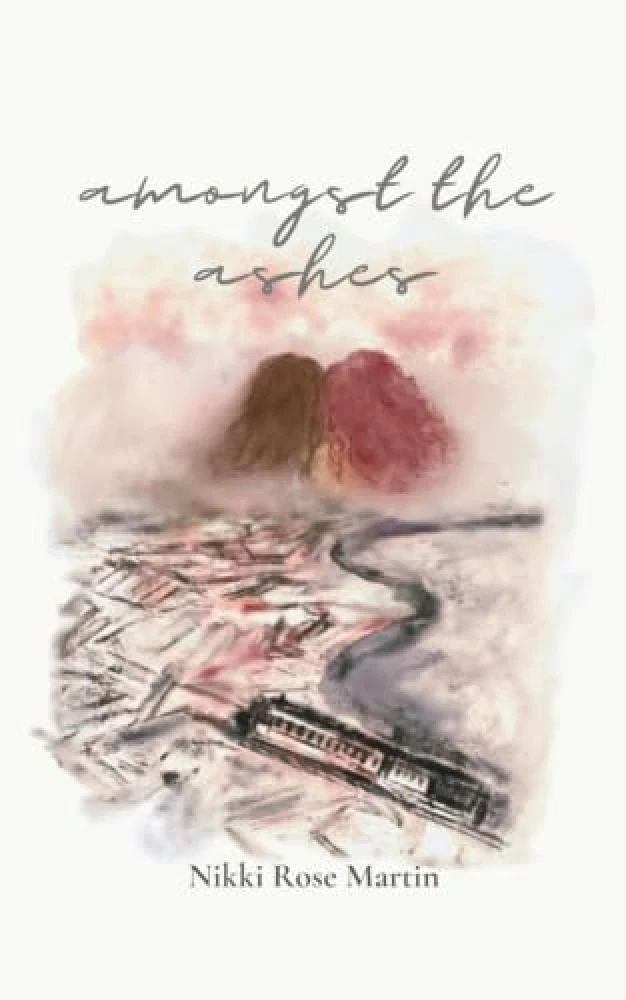
Nikki Rose Martin follows two women caring for others in the aftermath of the Halifax Explosion. Their slow-growing attachment is the heart of this sapphic historical romance.
· By IndieUnlimited
Read the reviewA tiny nation’s spy, an abrasive detective, and some memorable pigeons collide in Alasdair Jackson’s adult espionage comedy. Our spoiler-light review considers its humor, characters, and unexpectedly warm heart.
· By IndieUnlimited
Read the reviewA priest is closing up a church when he hears a voice he recognizes. In The Crossing, Michigan author Paul Michael Durivage uses ordinary routines to set the stage for supernatural horror. We asked him about that opening, what revision revealed about his characters, and who might want to follow Evan into the dark.
· By IndieUnlimited
Read the interview
Navy veteran and independent author Alexander W. Wilson talks about saving his first $100,000 on military pay, starting a civilian career, and why he wrote about the milestones young adults are having a harder time reaching.
· By IndieUnlimited
Read the interviewIn Ylvaron: The Veiled Sangraíz, memories, choices, and ordinary objects can shape what happens next. In this Q&A, debut novelist A. S. Piqueres talks about how he built that idea into the world, what revision taught him about the family at the center of the story, and an indie fantasy title he recommends.
· By IndieUnlimited
Read the interview
What happens when shutting down a reactor doesn’t stop a ship from spinning? In this Q&A, Joseph A. Oaks explains how a rocket scientist and a pilot helped him write the Janus emergency, how he kept the Janus and Missouri storylines on the same clock, and what he’d do differently when launching his next book.
· By IndieUnlimited
Read the interview
A Yellowstone eruption looks very different in Seattle than it does on the evening news in Toulon. In this Q&A, Ivan Merlin talks about writing those two timelines, making ordinary people the center of his survival thriller, and finding new ways to make French jokes land in English.
· By IndieUnlimited
Read the interviewIn Resonance: The Last Observer, a delayed sound or an errant shadow can be a clue. Abedin M.H. Pour talks about starting with a question about reality, planting details that reward a second reading, and finding readers for a novel that blends hard science fiction with a detective story.
· By IndieUnlimited
Read the interview
Find a gift for the writer plotting their next novel or the reader who champions indie books. Browse seven picks, from desk mats and a spiral notebook to stocking-stuffer stickers.
· By IndieUnlimited
Read the gift guide for authors and book lovers
Find a gift for the writer in your life. Compare the IndieUnlimited author mug, tee and book tote, with ideas for making each gift personal.
· By IndieUnlimited
Read the Christmas gift guideOne author builds a fae world around an unwanted crown. The other finds room for romance in a zombie outbreak. Here’s where to start with both.
· By IndieUnlimited
Read the spotlightA parish, a hospital and an office each promise a kind of order. In Durivage’s fiction, they are where that order starts to break down.
· By IndieUnlimited
Read the spotlightA promising first book can lead to a long reading relationship. Here is how to check reading order, completion, tone and content before you commit.
· By IndieUnlimited
Read the articleReaders asked how a directory can distinguish human-written manuscripts from AI assistance. The useful answer starts with specific disclosures and honest limits.
· By IndieUnlimited
Read the articleThe most useful author introductions make the book easy to understand. Focus on the premise, reading order, language and the kind of experience you are offering.
· By IndieUnlimited
Read the articleMilitary veteran and indie author Alexander W. Wilson draws on his experience of saving during military service in two books about financial progress, ordinary incomes and the changing path into adulthood.
· By IndieUnlimited
Read the spotlightThere is a particular kind of indecision that comes with choosing a fantasy book. You want something you can settle into, but you also want to know whether you are signing up for a standalone story or the beginning of a very long relationship. Our fantasy shelf has both. Here are four places to start, depending on what you want from your next read.
· By IndieUnlimited
Read the guideSome evenings call for court politics and a slow burn. Other evenings, you want a dangerous magical bargain and two people who have very good reasons to stay away from each other. There is room for both on the reading list. These four books from our romantasy shelf offer different ways into the genre, so pick the problem you would most enjoy watching someone else deal with.
· By IndieUnlimited
Read the guideA romance recommendation gets more useful when it gets specific. Do you want a friendship that has been edging toward something else for years? A pretend relationship? Two people making a mess of an ordinary working day? Our romance shelf has a little of each. Here are four options for four different reading moods.
· By IndieUnlimited
Read the guideYou might follow a team every weekend. You might have no idea what an offside call means. Either way, there is a simple way to choose a sports romance: look at the relationship first. Our current shelf includes hockey, baseball and football, with four different reasons for the characters to get tangled up in each other’s lives.
· By IndieUnlimited
Read the guideParanormal romance can mean very different things. A witch trying to run a business belongs on the same broad shelf as a vampire bargain or a love story in a zombie-ravaged world. That variety is part of the fun. Here are four books from our catalog to help you narrow it down.
· By IndieUnlimited
Read the guideDark romance is a broad label for books that can be very different from one another. Obsession, coercion, danger and unequal power may all appear, but that does not make every title interchangeable. Our current shelf is small enough to explore without an overwhelming list. Here are three starting points, with attention to the kind of story each one offers.
· By IndieUnlimited
Read the guideCozy mysteries offer a curious kind of comfort. Something has gone badly wrong, but there is also a place to settle into and a collection of people who are probably going to know far too much about one another. If that sounds like your sort of reading evening, here are four ways into our cozy mystery shelf.
· By IndieUnlimited
Read the guideA thriller does not always need a chase to make it difficult to stop reading. Sometimes an impossible murder will do it. Sometimes the question is whether the person telling the story understands what is happening at all. These four books from our thriller and suspense shelf start with very different kinds of trouble.
· By IndieUnlimited
Read the guideHorror recommendations are personal. Someone who loves folk horror may have no interest in an apocalypse, and a reader who enjoys an unsettling atmosphere might be looking for something very different from graphic body horror. Our horror shelf makes room for those differences. Here are four titles to consider before turning out the lights.
· By IndieUnlimited
Read the guideWe have military space adventures in the catalog, but science fiction can take you well beyond a fleet engagement. It can give you a detective on a generation ship, a machine beginning to question its routine, or ordinary people stranded somewhere very inconvenient. Here are four different directions to try.
· By IndieUnlimited
Read the guideSometimes the book you want is the one that leaves you thinking about a character on the way to work the next morning. You might be drawn to an ordinary life under pressure, an awkward question about identity, or a premise strange enough to make you look at something familiar differently. These four books from our literary fiction shelf offer different places to begin.
· By IndieUnlimited
Read the guidePublishing a book is a huge achievement. Finding its first readers can feel like starting all over again. Here’s why giving an indie author a chance matters.
· By IndieUnlimited
Read the storyFrom forest magic and fey courts to queer romance and New Orleans classrooms: meet six debut authors with a distinctive reason to be on your radar.
· By IndieUnlimited
Read the watchlistBy IndieUnlimited ·
Some debuts give you a reason to remember the author’s name before you have even finished the sample. A distinctive premise, a recognizable creative identity or a meaningful connection with readers can all create that spark. These six authors from our Author Debuts directory caught our attention for different reasons.
Our “IT factor” is an editorial judgment about what makes an author worth exploring. This watchlist draws on public author biographies, author posts and book descriptions; it is not a ranking or a full-manuscript review. Debut status follows our directory’s author-submission confirmations. Start with a sample and decide which voice speaks to you.
This article contains Amazon affiliate links. As an Amazon Associate I earn from qualifying purchases.
Fantasy
Gracie Autumn describes a route into publishing that started with flash fiction and serialized stories on Substack. Readers of her serial The Animist wanted to read the whole story at once; she says she then edited it into her first novel, The Language of the Trees. She also runs Autumn Anthology, which spotlights other independent fiction writers.
The connection between a writer and a returning audience catches our attention here. The book’s nature-centered magic, found-family focus and gradual romance offer a clear invitation to readers who want fantasy with room for relationships to develop.
For your reading list: Try this if you gravitate toward coming-of-age fantasy, ancient magic and quieter emotional stakes.
Public sources: Gracie Autumn’s account of her debut (opens in a new tab) · About Autumn Anthology (opens in a new tab). Book premise: the author’s Amazon listing.
Romantasy
The author biography supplied with Where Myth Fades to Legend on Google Books describes Izze Luis’s work in concept art, character design, storyboarding and art direction. The book itself puts three sisters at the center of a conflict involving rival fey factions and draws on Celtic and Slavic mythology.
The visual-storytelling background and the sisters’ shared stakes make this an intriguing combination. A court full of magic is familiar territory; following a fractured family trying to find one another gives this premise a more personal reason to turn the page.
For your reading list: Try this if you enjoy epic fantasy with romantic subplots, fey politics and family bonds.
Public sources: Book and author biography on Google Books (opens in a new tab) · Izze Luis’s public opening-chapter post (opens in a new tab). Book premise: the author’s Amazon listing.

Romance
Michela Starr’s public Amazon biography describes her focus on queer love stories and a master’s degree in creative writing. Her debut in our directory, Septembers, follows university roommates Theo and Dae as their friendship and attraction develop across successive autumns.
Telling a romance through returning Septembers is an instantly understandable hook. It gives readers a reason to anticipate what has changed between visits, while the friends-to-lovers premise keeps the emotional question close: when does protecting a friendship become avoiding the relationship you want?
For your reading list: Try this if you enjoy slow-burn MM romance, university settings and friends-to-lovers stories.
Public sources: Michela Starr’s public Amazon author biography (opens in a new tab). Book premise: the author’s Amazon listing.

Fantasy
Jasper L. Walker introduces himself in a public author AMA as an Australian writer and the founder of r/GrimdarkEpicFantasy. His newsletter centers on grimdark fiction and community events. His debut, The Shattered Line, brings together an artifact hunt, a grieving father and a band of thieves in a world facing catastrophic stakes.
Walker’s public presence has a specific identity: grimdark rather than fantasy for everyone. The premise offers several routes into that world—heist tension, personal grief and cosmic horror. That combination makes him worth watching for readers who want ambition and darkness in the same story.
For your reading list: Try this if you prefer morally difficult choices, grimdark epic fantasy and horror elements.
Public sources: Jasper L. Walker’s author AMA (opens in a new tab) · Walker’s Grimdark Newsletter (opens in a new tab). Book premise: the author’s Amazon listing.

Romantasy
Clara O’Brien’s public Amazon biography and author website describe her as a fantasy-romance writer and developmental editor with an MFA from Southern New Hampshire University. The Forest Within follows Gwen into an Otherworld competition after her death, where escaping reincarnation comes with dangerous conditions.
The competition has more at stake than winning a prize: Gwen is trying to change what happens after death. Pair that with an unwanted ally and a forest full of threats, and the premise offers an effective meeting point for romance, mystery and supernatural danger. Her editing background is useful context, though the book’s execution is something readers should judge for themselves.
For your reading list: Try this if you want romantasy with trials, an uneasy alliance and an Otherworld setting.
Public sources: Clara O’Brien’s public Amazon author biography (opens in a new tab) · Clara O’Brien’s official author website (opens in a new tab). Book premise: the author’s Amazon listing.

Literary Fiction
In a public call for advance readers, Vincent Licastro describes The United States of Nostalgia as literary fiction set largely inside an alternative high school in New Orleans East. His account emphasizes education, childhood, juvenile justice and the unfinished legacy of Hurricane Katrina. The Amazon description centers on a teacher whose school year and future are both running out.
This is the watchlist’s change of pace. Its question about who gets the protection and patience of childhood gives the premise a distinct focus. Readers looking beyond genre spectacle may find the classroom setting and its wider social concerns a compelling reason to explore Licastro’s work.
For your reading list: Try this if you enjoy literary fiction about teachers, institutions and the promises a society makes to its children.
Public sources: Vincent Licastro’s public advance-reader invitation (opens in a new tab). Book premise: the author’s Amazon listing.
The best reason to follow a debut author is simple: something in their work makes you want to read more. Open a sample, explore the author’s public writing and see which of these names earns a place on your own watchlist.
Kindle Unlimited availability varies by marketplace and can change. Check the current ebook listing before borrowing.
By IndieUnlimited ·
Imagine spending a year writing a book, rewriting it, getting it edited and finally hitting publish. Then waking up the next morning to find that almost nobody knows it exists.
That’s the reality for plenty of self-published authors. Finishing the book is a huge achievement, but finding readers can feel like starting all over again.
Many indie authors are doing this around jobs, families and everyday responsibilities. They’re paying for covers and editing, learning how advertising works and trying to talk about their book without feeling like they’re constantly selling something. It takes time, money and more confidence than people sometimes realize.
And readers have a lot of choices. It’s understandable to reach for a familiar name or a book with hundreds of reviews. But that leaves new authors with a difficult question: how do you get those first readers when everyone is waiting for someone else to go first?
Indie authors bring us stories we might otherwise never get to read. Sometimes they write for a small audience. Sometimes they take a chance on an unusual idea. Sometimes they’ve simply written a good book that hasn’t found its people yet.
You don’t have to love every indie book. But if one catches your attention, read the sample. If you enjoy it, tell someone. Leave an honest review. Those small things can mean a lot to an author who’s wondering whether anyone is listening.
That’s why we’re building IndieUnlimited: to help readers find books they might have missed and give the people behind those books a chance to be noticed.
Browse our Author Debuts directory and see which story catches your attention.
By IndieUnlimited ·
This post contains affiliate links. As an Amazon Associate I earn from qualifying purchases.
There is a particular kind of indecision that comes with choosing a fantasy book. You want something you can settle into, but you also want to know whether you are signing up for a standalone story or the beginning of a very long relationship. Our fantasy shelf has both. Here are four places to start, depending on what you want from your next read.

By Will Wight
Will Wight opens Cradle with Lindon, a young man shut out of the sacred arts that determine his place in the world. That is a useful starting point if you enjoy watching a character work toward power rather than arrive with it. The question is how far he can go when almost everyone around him has already decided what he is capable of. Start here if you want a series to follow.
Explore on Amazon (opens in a new tab; affiliate link)By M. L. Wang
M. L. Wang’s martial fantasy brings family, duty and the cost of war into the same story. Choose this when you want the stakes to reach beyond who wins a fight. It is also an option for the reader who wants a complete novel without immediately planning a ten-book reading schedule.
Explore on Amazon (opens in a new tab; affiliate link)By Gracie Autumn
Gracie Autumn’s Animist opener offers a coming-of-age story with a connection to the natural world, found family and a very gradual romantic thread. If the quieter parts of a fantasy world matter to you as much as its battles, this premise is worth a look.
Explore on Amazon (opens in a new tab; affiliate link)
By J. Edward Cox
J. Edward Cox gives a fleeing sorceress an apparent route to safety: escort a child north. The problem is that the child is the kingdom’s most wanted fugitive. It is a straightforward hook with an uncomfortable question underneath it. How much safety are you willing to trade for someone else?
Explore on Amazon (opens in a new tab; affiliate link)If you are torn, try the samples for two very different choices. The voice that makes you forget you are comparing books is usually a good place to begin.
Browse Fantasy BooksKindle Unlimited availability can change and varies by marketplace. Check the current ebook listing before borrowing.
By IndieUnlimited ·
This post contains affiliate links. As an Amazon Associate I earn from qualifying purchases.
Some evenings call for court politics and a slow burn. Other evenings, you want a dangerous magical bargain and two people who have very good reasons to stay away from each other. There is room for both on the reading list. These four books from our romantasy shelf offer different ways into the genre, so pick the problem you would most enjoy watching someone else deal with.
By J. D. Evans
J. D. Evans begins Mages of the Wheel with an imperial heir, a powerful mage and an alliance with consequences beyond the two people making it. If you want the kingdom’s problems to matter alongside the romance, put this on your list. It is the first book, so you can start without homework.
Explore on Amazon (opens in a new tab; affiliate link)
By A. K. Caggiano
A. K. Caggiano’s Villains and Virtues opener pairs a slow-building romance with humor. The grumpy-and-sunshine setup offers a different mood from the more solemn end of fantasy romance. Consider this when you want some laughter between the dangerous decisions.
Explore on Amazon (opens in a new tab; affiliate link)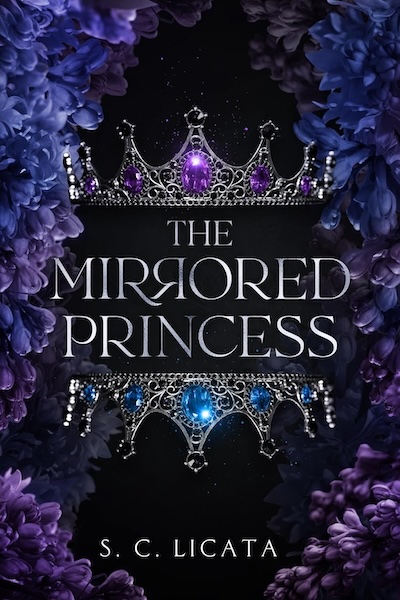
By S.C. Licata
S.C. Licata’s Nissa inherits a crown and a betrothal after her twin’s murder. Seeking answers alongside her betrothed’s brother makes an already difficult situation considerably more complicated. If forbidden romance and royal expectations are your preferred kind of trouble, the premise gives you plenty to consider.
Explore on Amazon (opens in a new tab; affiliate link)By Clara O'Brien
Clara O’Brien sends Gwen into an Otherworld competition offering escape from reincarnation. Strange creatures begin eliminating contestants, and an unexpected ally becomes part of a much bigger mystery. Choose this when you want the romantic possibilities wrapped in dangerous trials and questions about the past.
Explore on Amazon (opens in a new tab; affiliate link)You do not have to choose the book everyone else is talking about. Start with the one whose premise you keep coming back to, then read a few pages.
Browse Romantasy BooksKindle Unlimited availability can change and varies by marketplace. Check the current ebook listing before borrowing.
By IndieUnlimited ·
This post contains affiliate links. As an Amazon Associate I earn from qualifying purchases.
A romance recommendation gets more useful when it gets specific. Do you want a friendship that has been edging toward something else for years? A pretend relationship? Two people making a mess of an ordinary working day? Our romance shelf has a little of each. Here are four options for four different reading moods.
By Michela Starr
Michela Starr follows university roommates Theo and Dae over successive autumns. Theo’s fear is familiar: saying what he feels could cost him a friendship he already values. This slow-burn MM romantic comedy is one to consider if you like the uncertainty of friends-to-lovers stories. Sometimes the hardest part is risking what is already good.
Explore on Amazon (opens in a new tab; affiliate link)
By Kathryn Nolan
Kathryn Nolan sets this steamy contemporary romance around a Big Sur bookstore. For readers who are already mentally planning a trip just from that description, it may be worth opening the sample. Choose this when you want your reading time to feel a little removed from the usual routine.
Explore on Amazon (opens in a new tab; affiliate link)
By Claire Kingsley
Claire Kingsley’s workplace romantic comedy uses a pretend relationship to complicate professional life. Fake dating has an obvious appeal: the characters can agree on the arrangement long before they agree on what they feel. It is an option for readers who enjoy watching a supposedly practical plan become personal.
Explore on Amazon (opens in a new tab; affiliate link)
By Taylor Thornbury
Taylor Thornbury’s novella-length romantic comedy follows Bethany, caught between an unreliable former love and a colleague who becomes unexpectedly appealing. This could suit the reader who wants a shorter story about workplace friction and the difficulty of changing a familiar pattern.
Explore on Amazon (opens in a new tab; affiliate link)There is no prize for choosing the most serious-looking book on the shelf. If you want a love story that makes room for humor, awkwardness or a favorite trope, that is a perfectly good place to start.
Browse Romance BooksKindle Unlimited availability can change and varies by marketplace. Check the current ebook listing before borrowing.
By IndieUnlimited ·
This post contains affiliate links. As an Amazon Associate I earn from qualifying purchases.
You might follow a team every weekend. You might have no idea what an offside call means. Either way, there is a simple way to choose a sports romance: look at the relationship first. Our current shelf includes hockey, baseball and football, with four different reasons for the characters to get tangled up in each other’s lives.

By Stephanie Archer
Stephanie Archer’s hockey romance has a woman pretending to date her ex’s rival. That is already a complicated arrangement before any real feelings enter the picture. This is the second Vancouver Storm book; the author’s reading guide recommends reading in order for the connected characters.
Explore on Amazon (opens in a new tab; affiliate link)
By Pippa Grant
Pippa Grant pairs a superstitious baseball fan with her team’s newest player. If you enjoy a romantic-comedy setup where someone is deeply committed to a plan that another person makes difficult, this is a promising premise. It begins the Copper Valley Fireballs series.
Explore on Amazon (opens in a new tab; affiliate link)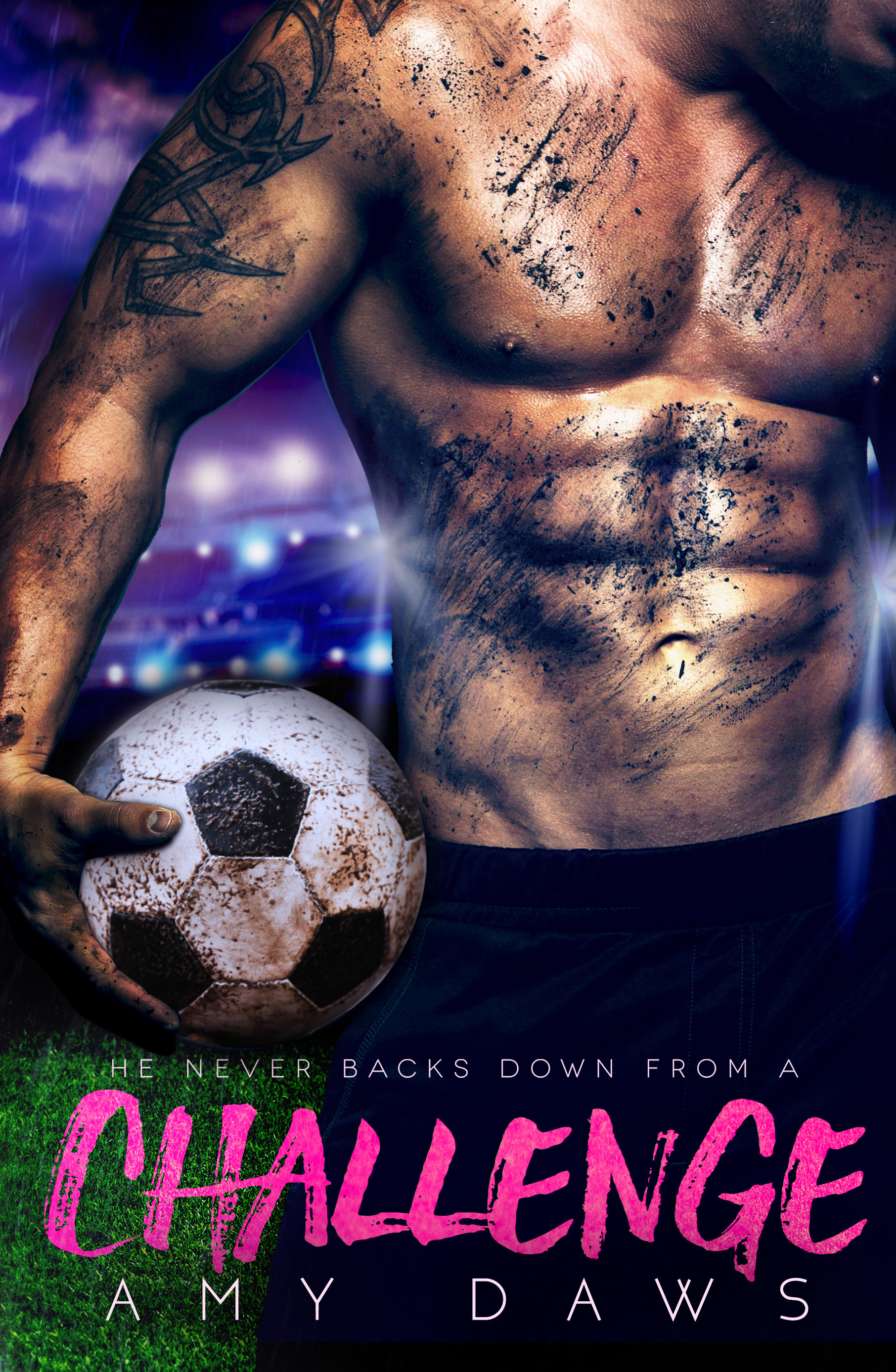
By Amy Daws
Amy Daws brings an injured professional footballer and his doctor together in London. The obstacle is built into their circumstances, making this an option for readers drawn to forbidden-attraction stories. It is the first Harris Brothers book, and the sport here is soccer.
Explore on Amazon (opens in a new tab; affiliate link)
By Meghan Quinn
Meghan Quinn’s college baseball romance follows a player recovering from injury and a woman with serious knowledge of the sport. Choose this if shared expertise sounds more appealing than a relationship that exists entirely away from the field.
Explore on Amazon (opens in a new tab; affiliate link)If you are new to sports romance, choose the relationship setup you already enjoy. The team colors can come later.
Browse Sports Romance BooksKindle Unlimited availability can change and varies by marketplace. Check the current ebook listing before borrowing.
By IndieUnlimited ·
This post contains affiliate links. As an Amazon Associate I earn from qualifying purchases.
Paranormal romance can mean very different things. A witch trying to run a business belongs on the same broad shelf as a vampire bargain or a love story in a zombie-ravaged world. That variety is part of the fun. Here are four books from our catalog to help you narrow it down.

By Juliette Cross
Juliette Cross pairs a witch planning a tattoo shop with her werewolf business partner. Trouble from his former pack adds danger to a relationship that already has plenty going on. This is book three in Stay a Spell, so check the series order if you prefer meeting connected characters from the beginning.
Explore on Amazon (opens in a new tab; affiliate link)
By Catharine Gilis
Catharine Gilis introduces a Danish exchange student who can see a ninth-century Viking’s ghost after he saves her from an attack. Their connection crosses a gap much larger than a few centuries. If the idea of an isolated ghost finding a place in someone’s present interests you, take a look. The setup includes a near-assault and its aftermath.
Explore on Amazon (opens in a new tab; affiliate link)
By Owen Rivers
Owen Rivers brings a wildlife biologist into conflict between werewolf packs near Lake Lanier. Unusual tracks lead toward rival loyalties and an old blood curse. Pick this when you want the supernatural world’s rules to put pressure on the relationship.
Explore on Amazon (opens in a new tab; affiliate link)
By Megan Darragh
Megan Darragh’s two-book collection follows Isabella guarding a man receiving an experimental zombie cure. As his humanity returns, the relationship begins to change. This is the survival-focused choice on the list, for readers curious about romance under particularly difficult circumstances.
Explore on Amazon (opens in a new tab; affiliate link)Start with the supernatural element you find interesting, then check whether the story’s tone suits you. A ghost romance and a zombie survival romance can offer very different evenings.
Browse Paranormal Romance BooksKindle Unlimited availability can change and varies by marketplace. Check the current ebook listing before borrowing.
By IndieUnlimited ·
This post contains affiliate links. As an Amazon Associate I earn from qualifying purchases.
Dark romance is a broad label for books that can be very different from one another. Obsession, coercion, danger and unequal power may all appear, but that does not make every title interchangeable. Our current shelf is small enough to explore without an overwhelming list. Here are three starting points, with attention to the kind of story each one offers.

By Rina Kent
Rina Kent opens Legacy of Gods with a dangerous pursuit and a relationship shaped by obsession. This is one to investigate if you are specifically looking for an adult dark romance built around a threatening central character. Read the author’s content notes first so you can make an informed choice about the material.
Explore on Amazon (opens in a new tab; affiliate link)
By Shantel Tessier
Shantel Tessier’s first L.O.R.D.S. novel brings a university secret society into a woman’s struggle for survival. The setup may appeal if you want institutional power and hidden rules to be part of the danger. Check the book’s content warnings rather than relying on the cover or the broad genre label.
Explore on Amazon (opens in a new tab; affiliate link)
By Georgia Ann
Georgia Ann follows college student Jasmine Ramirez after she is taken hostage during a bank robbery. An unexpected connection with one of her captors places the romance inside an already traumatic situation. This is a short dark romantic suspense story involving kidnapping and violence, rather than a lighter suspense romance.
Explore on Amazon (opens in a new tab; affiliate link)We also list Rina Kent’s God of Wrath, the third Legacy of Gods book, for readers continuing through that world. Take your time with the samples and content information. A book can be exactly what another reader wants and still be the wrong choice for you.
Browse Dark Romance BooksKindle Unlimited availability can change and varies by marketplace. Check the current ebook listing before borrowing.
By IndieUnlimited ·
This post contains affiliate links. As an Amazon Associate I earn from qualifying purchases.
Cozy mysteries offer a curious kind of comfort. Something has gone badly wrong, but there is also a place to settle into and a collection of people who are probably going to know far too much about one another. If that sounds like your sort of reading evening, here are four ways into our cozy mystery shelf.

By Amy Vansant
Amy Vansant starts the Pineapple Port mysteries with an amateur sleuth and an eccentric Florida community. This is a sensible place to begin if getting to know the recurring cast is part of the attraction. Our directory also lists the next two books, so you have somewhere to go if the first one suits you.
Explore on Amazon (opens in a new tab; affiliate link)By Steve Higgs
Steve Higgs opens Albert Smith’s Culinary Capers with food, travel and a crime to investigate. If the holiday portion of a mystery is almost as interesting to you as the investigation, consider this one. You can follow it with Bakewell Tart Bludgeoning and Stilton Slaughter from our catalog.
Explore on Amazon (opens in a new tab; affiliate link)
By Tonya Kappes
Tonya Kappes begins the Camper & Criminals series with campground life and a mystery. It is an option for readers who prefer their recurring setting a little less formal than a manor house or an office.
Explore on Amazon (opens in a new tab; affiliate link)
By Amanda M. Lee
Amanda M. Lee introduces newspaper editor Bay Winchester, who investigates a corn-maze murder while keeping her witch ancestry hidden. Ghosts and family quarrels make this the paranormal choice of the group.
Explore on Amazon (opens in a new tab; affiliate link)For a cozy series, the setting and the company matter. Try the opening chapters and ask yourself whether you would enjoy spending more time with these people, even before the next mystery arrives.
Browse Cozy Mystery BooksKindle Unlimited availability can change and varies by marketplace. Check the current ebook listing before borrowing.
By IndieUnlimited ·
This post contains affiliate links. As an Amazon Associate I earn from qualifying purchases.
A thriller does not always need a chase to make it difficult to stop reading. Sometimes an impossible murder will do it. Sometimes the question is whether the person telling the story understands what is happening at all. These four books from our thriller and suspense shelf start with very different kinds of trouble.

By Alasdair Jackson
Alasdair Jackson gives a tiny communist nation one spy, then pulls that spy into a murder investigation on the London Underground. Rival agencies and an employer with lethal expectations complicate matters. Choose this when you want comedy in the premise without removing the danger.
Explore on Amazon (opens in a new tab; affiliate link)
By Mark Hullender
Mark Hullender places an impossible murder inside a historic luxury hotel during a celebrated singer’s wedding weekend. Amateur detective Rhona Sinclair and the guests have to contend with both the crime and the building’s unsettling history. This is a good premise to investigate if you enjoy working through a puzzle alongside the characters.
Explore on Amazon (opens in a new tab; affiliate link)
By Roselle Richards
Roselle Richards follows a clinical-trial participant in a rehabilitation program, where a forbidden connection develops as reality becomes harder to trust. Supernatural horror overlaps with psychological suspense here. Consider it if an unreliable narrator interests you more than a conventional investigation.
Explore on Amazon (opens in a new tab; affiliate link)
By J. D. Kirk
J. D. Kirk introduces DCI Jack Logan in the first novel of his Scottish crime series. If following the same investigator through multiple cases is part of your reading routine, this gives you an entry point.
Explore on Amazon (opens in a new tab; affiliate link)Try choosing by the question you most want answered: who did it, who can be trusted, or how someone is going to get out of this. That usually narrows the shelf faster than looking for the biggest promised twist.
Browse Thriller & Suspense BooksKindle Unlimited availability can change and varies by marketplace. Check the current ebook listing before borrowing.
By IndieUnlimited ·
This post contains affiliate links. As an Amazon Associate I earn from qualifying purchases.
Horror recommendations are personal. Someone who loves folk horror may have no interest in an apocalypse, and a reader who enjoys an unsettling atmosphere might be looking for something very different from graphic body horror. Our horror shelf makes room for those differences. Here are four titles to consider before turning out the lights.
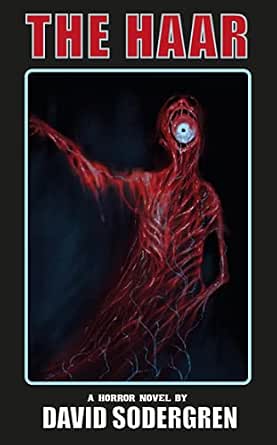
By David Sodergren
David Sodergren’s standalone combines folk horror and body horror. If physical transformation and disturbing imagery are part of what you seek in the genre, read the description and sample. If they are what you avoid, it is useful to know that before starting.
Explore on Amazon (opens in a new tab; affiliate link)
By Adam Nevill
Adam Nevill’s folk-horror novel connects ancient beliefs with present-day terror. The appeal here is the possibility that a place has a history its visitors do not understand. Put it on your list if that kind of threat interests you, and expect disturbing material.
Explore on Amazon (opens in a new tab; affiliate link)
By Vito Ravenwood
Vito Ravenwood sends Inspector Elias Korven into a Carpathian village’s forbidden forest after a missing girl and a drowned man draw his attention. Slavic folklore shapes this supernatural detective mystery. It could suit the reader who likes having an investigation to follow into the dark.
Explore on Amazon (opens in a new tab; affiliate link)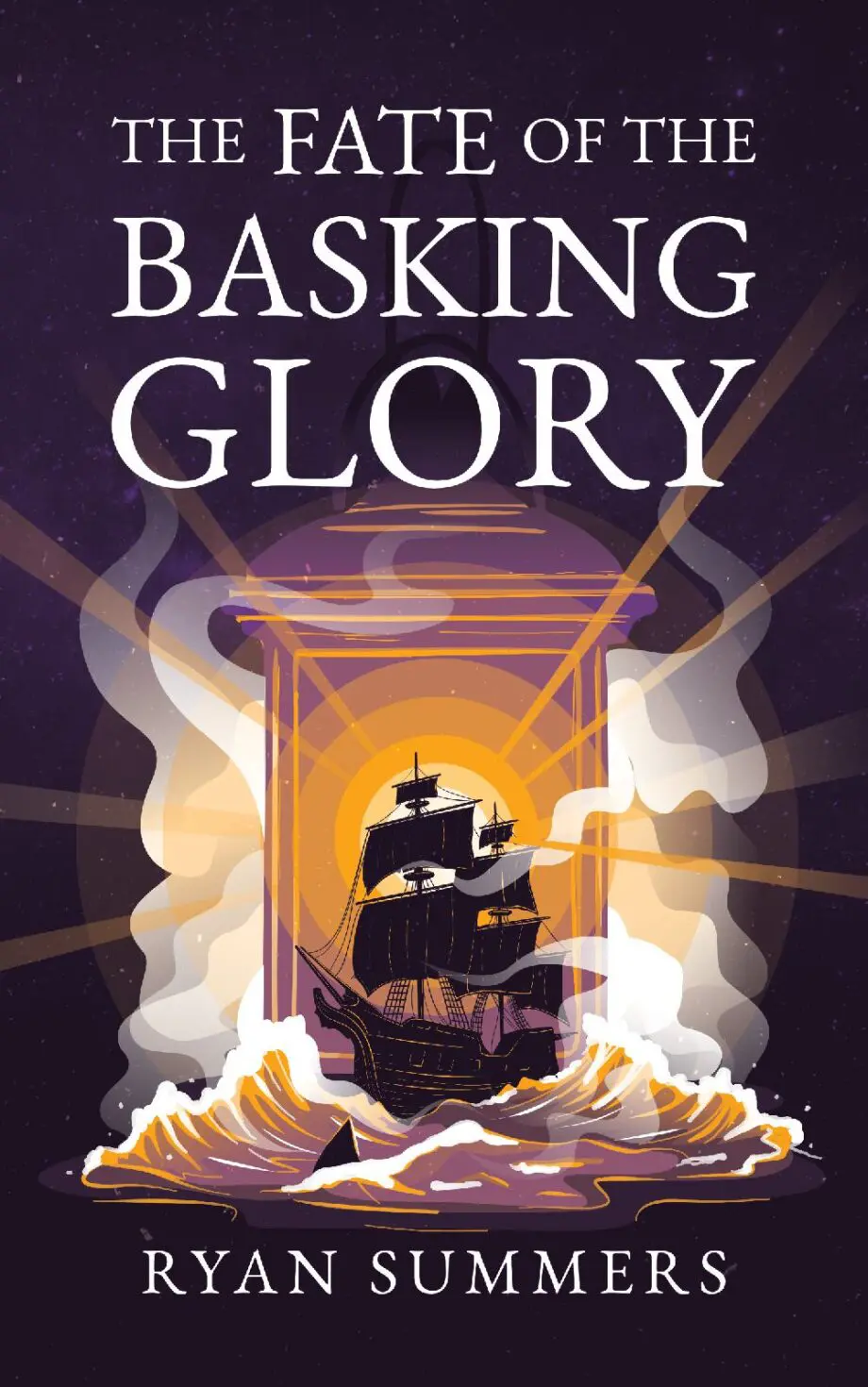
By Ryan Summers
Ryan Summers tells a horror mystery through journal entries, following a volunteer investigator seeking a ship captain’s killer on an island under pirate siege. Body horror and war add to the threat. Choose this if an unusual format and a confined, dangerous situation catch your interest.
Explore on Amazon (opens in a new tab; affiliate link)Read the content information, then follow your curiosity. Horror has plenty of ways to unsettle a reader, and you do not have to enjoy all of them to find something that works for you.
Browse Horror BooksKindle Unlimited availability can change and varies by marketplace. Check the current ebook listing before borrowing.
By IndieUnlimited ·
This post contains affiliate links. As an Amazon Associate I earn from qualifying purchases.
We have military space adventures in the catalog, but science fiction can take you well beyond a fleet engagement. It can give you a detective on a generation ship, a machine beginning to question its routine, or ordinary people stranded somewhere very inconvenient. Here are four different directions to try.
By Joseph A. Oaks
Joseph A. Oaks follows a stranded crew racing toward an abandoned Martian colony while another captain faces treachery and sabotage. This premise offers a mix of immediate survival and wider political trouble. If you want decisions made under pressure, start with the sample.
Explore on Amazon (opens in a new tab; affiliate link)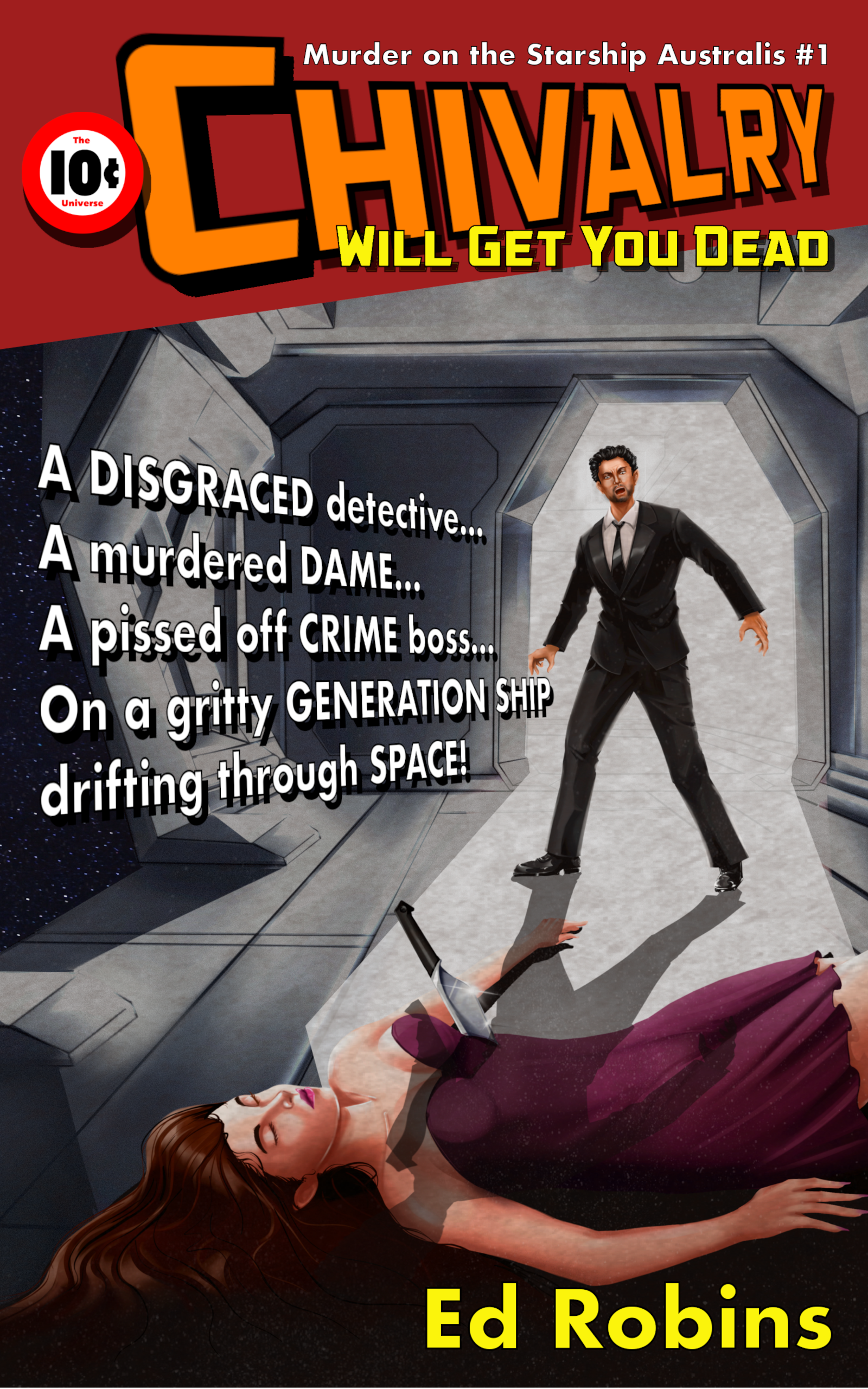
By Ed Robins
Ed Robins introduces former detective Tom Devoe, framed for murder aboard the Australis and forced to search its criminal underworld for answers. This is a route into science fiction for someone who already enjoys noir and crime stories. Expect adult themes, language and violence.
Explore on Amazon (opens in a new tab; affiliate link)
By Zachary Mullins
Zachary Mullins follows the Navigator, who has spent sixty-three years performing routine submarine duties before discovering other isolated machines. The premise turns on curiosity and automation rather than military conflict. Consider this if you want room to think about what a character’s first questions might mean.
Explore on Amazon (opens in a new tab; affiliate link)
By Geoff Jones
Geoff Jones sends a café and ten strangers sixty-seven million years into the past. Getting home is difficult enough without someone secretly wanting the group to stay stranded. If you want a survival thriller with a science-fiction setup, this gives you a direct route in.
Explore on Amazon (opens in a new tab; affiliate link)And if you really do want the starship, try Glynn Stewart’s Starship’s Mage. Its universe makes faster-than-light travel possible through magic, offering another way to cross the space between genres.
Browse Science Fiction BooksKindle Unlimited availability can change and varies by marketplace. Check the current ebook listing before borrowing.
By IndieUnlimited ·
This post contains affiliate links. As an Amazon Associate I earn from qualifying purchases.
Sometimes the book you want is the one that leaves you thinking about a character on the way to work the next morning. You might be drawn to an ordinary life under pressure, an awkward question about identity, or a premise strange enough to make you look at something familiar differently. These four books from our literary fiction shelf offer different places to begin.
By Vincent Licastro
Vincent Licastro sets his novel at an alternative high school in New Orleans. A teacher facing an uncertain contract confronts the limits of helping students within failing institutions. Childhood, displacement and the promises made after Hurricane Katrina sit behind the premise. Consider this if you are drawn to stories about work that matters and the people expected to keep doing it.
Explore on Amazon (opens in a new tab; affiliate link)
By K. Aurum
K. Aurum follows violinist Jon Finn after a brain implant restores his speech and playing following a stroke. As his recovery continues, he begins questioning how much of his identity remains his own. The science-fiction element opens a very personal question: what would it mean to get your life back and still feel uncertain about yourself?
Explore on Amazon (opens in a new tab; affiliate link)
By Ifeanyi Ogbo
Ifeanyi Ogbo’s twelve-story collection explores love, memory, nature and the mystical, moving between Nigeria, the United Kingdom and imagined worlds. A collection is a useful choice when you want to read a complete piece, then have a little time to sit with it.
Explore on Amazon (opens in a new tab; affiliate link)
By Rajit Ojha
Rajit Ojha sends a cynical, movie-obsessed chicken into an afterlife run like a corrupt corporation. If that makes you curious, the mix of satire, magical realism and political commentary may be worth investigating.
Explore on Amazon (opens in a new tab; affiliate link)Try a sample without worrying about whether the book looks like your usual choice. An unfamiliar premise can be a perfectly good reason to give a writer a few pages.
Browse Literary Fiction BooksKindle Unlimited availability can change and varies by marketplace. Check the current ebook listing before borrowing.

By IndieUnlimited · November 21, 2026
Three read-aloud picks for the kid who asks how a city works, the kid with an unusual lunch, and the kid still looking for a place to bloom.
As an Amazon Associate I earn from qualifying purchases.
In Courtney Kelly’s Celeste Saves the City, a girl evacuates New Orleans ahead of Hurricane Katrina. Her question about leaving home becomes a question she can work on as a civil engineer: how can wetlands help protect a city? Kelly drew on her own evacuation and engineering career. After reading, have your child draw the route rain takes from your front door. Where does it collect? Where can it soak in? Kelly’s story behind the book. Find Celeste Saves the City on Amazon.
In Maria Dismondy’s Spaghetti in a Hot Dog Bun, Lucy’s lunch and big hair catch Ralph’s attention for all the wrong reasons. Then Ralph needs help. That reversal makes this a good read-aloud for talking about kindness while taking teasing seriously. Pause before Lucy acts and ask, “What could a friend do for Lucy tomorrow at lunch?” Meet Maria Dismondy. Find Spaghetti in a Hot Dog Bun on Amazon.
Sheri Fink’s The Little Rose puts a rose among weeds. A garden gives a younger listener something concrete to picture while you talk about the feeling of being different. On a second reading, ask what the rose might notice about herself if she stopped comparing leaves. Explore the book with Sheri Fink. Find The Little Rose on Amazon.

By IndieUnlimited · November 21, 2026
A library visit, a sponsored click, and a newsletter placement buy three different things. Here’s how to decide which one your book needs.
As an Amazon Associate I earn from qualifying purchases.
A debut mystery needs someone willing to try an unfamiliar detective. A fifth book in a series needs earlier readers to hear that it exists. For the debut, test the premise with a short sample and a genre-specific pitch. For the sequel, an email to readers who opted in after book four may be the better first move. Decide what you want readers to do before paying to reach them.
A library pitch or newsletter swap can cost $0 in placement fees. It still takes time to find a good match, write a personal note, and follow up. Physical outreach adds cash costs. As an example, six review copies at $5 to print and $4 to mail would cost $54. Get your own printing and postage quotes, and ask whether the recipient wants a copy before sending it.
Amazon’s Sponsored Brands charges for clicks. In a hypothetical test, 100 clicks at $0.40 cost $40 even if nobody buys. A BookBub Featured Deal buys an email placement for a quoted fee that varies by category, region, and discount price. Compare your exact category before committing. A free-book promotion also gives up the sale revenue on those downloads. Amazon’s bidding guide · BookBub’s pricing table.
If you earn $3 per additional sale after retailer and production costs, a $60 campaign needs 20 extra sales to cover itself. At a 5% click-to-sale rate, the same $3 leaves $0.15 per click to break even. Those are examples, not forecasts. Record the spend, clicks, and additional sales after a defined test period. For a series, track later-book sales separately so a hopeful guess about read-through doesn’t set next month’s budget.

By IndieUnlimited · November 21, 2026
Start in Dallas, travel through Atlanta, and finish in Orlando with three very different ways into an independent author’s work.
Kelly lives in Dallas and grew up in New Orleans. Her path into civil engineering began with a personal question after evacuating during Hurricane Katrina. In Celeste Saves the City, a child gets to follow that question through to a possible solution. Pair it with Celeste Tunnels Underground for a young reader fascinated by what happens beneath a street. Courtney Kelly’s public biography.
Atlanta is Aaron’s hometown. Her fiction makes an unexpected next stop: a rebuilt Detroit where Julius, a dragon stuck in human form, has one month to prove himself to his family. Try Nice Dragons Finish Last if you want a fantasy lead whose greatest liability is that he’s kind. Aaron’s own biography now places her in Colorado. Aaron’s biography · Meet Julius.
Wight’s Orlando connection is the University of Central Florida, where he earned his MFA. He began self-publishing on Kindle in 2013. Start his Cradle series with Unsouled if watching a character earn each step up in power is half the fun of fantasy for you. For a local book club, the university’s account of his early publishing career makes a companion to the novel. UCF’s author profile · Wight’s books.
By IndieUnlimited · November 24, 2026
An unwanted crown is trouble enough. In The Mirrored Princess, the woman who inherits it also needs to find out who killed her twin.
As an Amazon Associate I earn from qualifying purchases.
Nissa’s twin dies before her coronation. That makes the opening question of S.C. Licata’s fantasy romance unusually personal: what can Nissa do for her sister when everyone else needs her to take her sister’s place? The crown brings a betrothal along with it. Even the simplest decision about whom to confide in now carries political weight.
Keep track of who speaks to Nissa as a bereaved sister and who speaks to her as the future ruler. The two roles give people different reasons to help her. Her prospective husband’s brother becomes an ally in the investigation, placing family loyalty, attraction, and the search for evidence uncomfortably close together.
Licata’s author site introduces the elemental kingdoms and includes a map. Readers who like to know where borders fall can start there. Readers who enjoy discovering a world alongside its heroine can save the map for their first pause. For a book-club conversation, try this question: which decisions would still belong to Nissa if she could refuse the crown? Explore Licata’s world and map. Find The Mirrored Princess on Amazon.
By IndieUnlimited ·
An unwanted crown and an experimental zombie cure don’t have much in common. But both put a character in a position where following orders is easier than deciding whom to trust. That’s what makes S.C. Licata and Megan Darragh a good pair for this spotlight.
This article contains Amazon affiliate links. As an Amazon Associate I earn from qualifying purchases.
In Licata’s fantasy romance debut, The Mirrored Princess, Nissa’s twin is murdered before her coronation. Nissa inherits the crown and a betrothal she never wanted. The person she trusts to help her find answers is her betrothed’s brother, which makes the investigation dangerous in ways that have little to do with magic.
The mystery gives readers a reason to explore Castara beyond the romance. Licata’s author site includes a map and an introduction to the elemental kingdoms of Solevara. It’s a good place to orient yourself if you like getting your bearings before a fantasy series. Licata introduces this book as the beginning of a series.
Start here if you like fae politics, a murder mystery woven into the romance, and a heroine who has to make choices in a role she never asked for.
Explore The Mirrored Princess on AmazonDarragh, a Northern Irish author, began publishing with The Rehabilitated. In a zombie-ravaged England, Isabella guards a man receiving an experimental cure. As his humanity returns, her assignment becomes a question of who gets to decide when someone is safe to trust. IndieUnlimited lists the collection that pairs the first book with its sequel.
That interest in the line between human and other shows up in a different setting in A Robot’s Partner. In Darragh’s release post, she introduces Amelia, a police officer investigating crimes involving robots alongside Caesar, her robot partner. The zombie story is the place to start if you want survival stakes. Her author site is a good next stop if you’d rather explore her science fiction romance.
Start here if you like romance under pressure, speculative settings, and characters who have to reconsider their first impressions.
Explore The Rehabilitated collection on AmazonPick Licata if you want a succession crisis and a mystery that pulls you deeper into a magical world. Pick Darragh if you want an apocalypse where an unlikely relationship complicates the question of survival.
This spotlight draws on public author material and book descriptions. Check Amazon for current Kindle membership availability in your region.
Browse more indie booksNovember 22, 2026 · By IndieUnlimited
Why does Maude draw a four-winged raven? Gracie Autumn talks about the sketchbook that opens her novel, a Bard celebration she wrote after the ending, and the small things she hopes readers notice outdoors.
The opening scene changed rather recently. For a long time, I actually had her reading a book. Instead, I decided to go with a sketchbook because I wanted to depict Maude as having a wild imagination. Despite living on the outskirts of a small town, knowing very few people, she's been able to let her imagination run wild through her drawings. I don't think there's much that Maude wouldn't tell us---she's a pretty open individual. However, I think she might hesitate to admit that she has always wanted to leave her home in Henoble and see more of the world. She loves her family but something inside her has always known that she was destined for adventure.
Ha! I love this question. If we could ask Caris what we got wrong, he'd insist that Maude always "had it easy." He would insist that he was always given the more difficult jobs, despite the Garner siblings typically trading off chores. He would also complain about the lack of animals and how it wasn't his fault that there was nothing to hunt. Also, he would certainly insist that Maude's meal with radishes was a personall attack.
That's a really good question. I can't remember how I came up with it but once I wrote it I was like, "yes, this is exactly what I tree would think." If I were a tree, I think that people would seem incredibly busy---always moving. I would also think that most people are out-of-touch with the seasons. While trees, change month to month, people only age gradually over time. I think this lack of transition would stand out as strange to a tree.
If we closed out eyes aboard Thea's houseboat, we would hear music first. We would hear the near-constant sound of someone aboard playing an old tune and possibly singing along with it. Apart from the music, we'd hear laughter and the sounds of a full house. Most of my scenes are inspired by a variety of places, people, and things. This scene was originally very different. In the original draft, Thea was actually a pirate of sorts and her crew were hardly mentioned. After a few edits, I just felt like this didn't fit the story as well, so I rewrote her to be a Bard. The rest just fell into place after that.
Wow, that's a hard one to answer. Since we follow Maude's story in this book more closely than Finlay's I found myself taking her side more naturally. However, I certainly understood Finlay's hesitance to let her go. Maude is on the precipice of adulthood---discovering her place in the world. But she's still young and relatively sheltered. As much as she wants to help, Finlay can't help but see her as the little girl he raised. I hope that both children and parents can relate to this scene.
I would have to say that having a full novel in front of me really helped with the Godsong scene. Not to give anything away to any potential readers, but the Bard celebration that Ollie and Motley participated in only made sense once I had the ending written out. Things are revealed in this scene that set up Book Two. Originally, I didn't have this written into the story yet. It was in my head (and my notes) but not on paper. Ultimately, I'm glad I made this a part of "The Language of the Trees." I hope it gets people excited for the sequel.
Oh, I love this! I would love the readers of this novel to take a moment the next time they are outdoors and notice something small. Maybe it's how crooked a tree is growing, or how bright the moss is. Nature is beautiful and full of inspiration. I hope that my readers take a bit of time to notice the beauty of the natural world.
November 22, 2026 · By IndieUnlimited
Ian Garner talks about finding humor in a goblin’s interrupted meal, hearing the Nightmare Queen speak, and writing 25,000 words to find a home for a dog.
I was inspired by Ted Dekker’s Circle trilogy with this setup. In his series, the opening chapter is with two antagonists laying out the plans that will drive the plot of the following books. I tried to emulate that here to show readers, “These guys are bad news. With the slapstick shenanigans coming up, this is a taste of levity and shows the dangers that will keep our heroes’ hands full.”
I wanted to show that The Cinder Prophet is so embedded in the local power structure that his evil plans are easily hidden by bureaucracy. I guess another way to say that is, nobody expects a letter with the townmaster’s seal to be the thing that lets an evil mage try to resurrect an eldritch god.
For this scene, I tried to think like a goblin. If I’m 7 feet tall and full of muscle, I’d probably be irritated when the old creepy guy down the hall interrupts my meal to tell me I need to kidnap a dwarf. Combine that with the idea that goblins aren’t all that smart, and the humor sort of writes itself. In other examples, I try to build tension with pressure valves sprinkled around. There’s a bit in Book 2 where our heroes are surrounded by vengeful wraiths. It’s a pretty awesome battle scene, but characters, like people IRL, react differently than others under pressure. One character might turn off the noise in his head and start stacking bodies without a word, another might crack a joke to distract himself from the horrors around him. So, the long awaited answer to your question: study how people respond to danger IRL, apply it to the story where appropriate, and try to make the reader laugh in the process.
Zel did an awesome job with the audio in this particular scene. They added this creepy reverb to all of The Nightmare Queen’s dialogue that sold the “I am literally older than the universe and I am the reason people wake up in a cold sweat after a bad dream. Shut up and listen when I talk.” Zel does something similar in book 2 with a dwarven sentry bot, leaning into the typical robot voice you hear from cartoons. It’s a small thing, but it really adds some immersion to the scene.
Pact of the Nightmare Queen, oddly enough, had a strange journey. Without giving too much away, I’ll say that this series is based on a D&D campaign I ran for some friends a few years back. My dedication page in book 2 pokes fun at them all for derailing several of my plans. The idea was never to write multiple books. I had “Sins” and “Pact” as one book at the start, but realized that I’d need to split them as the plot unfolded. “Pact” would have been a lot shorter, but one player had just received a promotion at work and had less time to spend with the game. No hard feelings, life happens. But that character had adopted a pet, and in the game it’s easy to wave your hand and say “Yeah, the pet went off in the woods one morning and got lost on the way home.” If I wrote that in the book, folks would call that lazy writing (and rightfully so). So how did I fix that? I wrote 25,000 words of plot to explain WHY the pet ends up in a new home. Yes, you read that correctly. Book 2 exists in its entirety…because I had to figure out where to put the damn dog. Thanks for that, Noah.
By IndieUnlimited ·
Navy veteran and independent author Alexander W. Wilson talks about saving his first $100,000 on military pay, starting a civilian career, and why he wrote about the milestones young adults are having a harder time reaching.

I joined the Navy after high school, figuring I’d go to college once I got out. Early on, I realized I was saving more than I’d imagined. With three square meals a day and a place to sleep, I had very few expenses. I watched some of the other eighteen-year-olds spend their paychecks on things they’d never had growing up or things they’d always wanted. Seeing what we could each do with a paycheck made me think about how much of mine I could keep and put to work.
Early in my training, a Navy Federal employee took the time to explain compound interest and walk me through the basics of investing. I wish I remembered his name. I later worked at Navy Federal for a short time, and it was a chance to pass along the same kindness he’d shown me. By the time I’d built up $100,000, I could see how those early decisions had given me more freedom to choose what I wanted to do after the Navy.
The part that carries over is paying attention to the gap between what comes in and what goes out. Your biggest expenses and the benefits available through work can have a real effect on that gap. My circumstances in the Navy helped shape what I was able to save, so I’d be careful about treating my timeline as a benchmark. Someone paying civilian rent, covering childcare, or working unpredictable hours is doing different math. I wrote the book to help people look at their own numbers and see where they have room to make a change.
I started my bachelors in accounting while I was in the Navy. After I separated, I used it to start a career in financial services. Having savings gave me time to look for a job I actually wanted without feeling like I had to take the first offer just to pay the bills. The Navy had been a big part of my life, and I appreciated having some breathing room to think about what I wanted to do next. That’s when saving all those years really felt worth it.
I was in the Navy during the COVID pandemic, so I experienced it differently from a lot of my peers. Some were starting college while trying to meet people from six feet away. Others were applying for internships as employers cut back on hiring, or looking for their first full-time job while companies were still figuring out remote work.
I watched people my age do everything they’d been told would help them get established, only to find that the milestones they were working toward felt farther away. Four years after they’d expected to get their start in adult life, some felt like they were only just getting started. That’s what made me want to write Making It in the Great Postponement. I wanted to take those setbacks seriously and look at which choices could still help people move forward.
It can sound like, “I’m never going to afford a house anyway, so what difference does it make if I save anything this month?” If the goal you’ve been working toward keeps moving, a small step can feel pointless. Having enough to cover a car repair or get through a gap between jobs matters on its own. A smaller goal can give you a reason to keep going when the bigger one feels out of reach.
Writing the books made me think harder about how I’d explain “live below your means.” It’s easy to say, and it can be frustrating to hear when rent, transportation, and debt already take up most of your paycheck. I’d start by asking which costs you have any room to change and which ones you’re stuck with for now.
I’d ask what’s on your mind right now. If you’re looking at your paycheck and wondering how to start saving, I’d begin with You Don’t Need a $100K Salary. If you’re looking at the bigger picture and wondering why a career, a home, or a family feels farther away than you expected, I’d start with Making It in the Great Postponement.
Read the IndieUnlimited author spotlight for more about both books.
← Back to the BlogBy IndieUnlimited ·
A priest is closing up a church when he hears a voice he recognizes. In The Crossing, Michigan author Paul Michael Durivage uses ordinary routines to set the stage for supernatural horror. We asked him about that opening, what revision revealed about his characters, and who might want to follow Evan into the dark.
The Crossing is supernatural horror about a man whose childhood terror reaches the family he has tried to protect from it. Evan works with the Church, helping people confront things they cannot explain. A call brings him to St. Jude’s in Ripley, Ohio, where a young volunteer, Emily Hart, has been badly injured during a possession. The details are familiar to him: black water, river mud, and an evil that knows exactly where to hurt people. As he tries to help Emily, the danger reaches his wife, Sarah, and their daughter, Lily. Opening Chapter 1 puts you in the church with Father Michael Donnelly, hearing a voice that should be impossible.
I want readers to feel how quickly a familiar place can become difficult to understand. The opening begins with a priest closing his church. There are keys, extinguished candles, a radiator and a light he checks before leaving. Those details establish a place he knows and a routine he should be able to finish. Then he hears something downstairs. When the voice comes, it is frightening because he recognizes it.
That approach carries into Evan’s childhood. The family still eats breakfast, goes to the hardware store and jokes about school pictures. The cold hallway and the basement belong to that same house. I want the reader to have enough ordinary life to understand what the people stand to lose.
The revision made it clearer that saving someone and keeping their trust are separate problems. Evan can act bravely and still owe Sarah an honest answer. Sarah can love him, fear for him and remain angry with him. Those feelings need room to exist together. I paid attention to the conversations where one person wants reassurance and the other cannot honestly give it yet.
Emily mattered in that way too. She is a young woman trying to be heard through something using her body and voice. Her resistance is there from the beginning. Keeping her choices visible helped keep her a person throughout the horror. The question became what each character could still choose under pressure, and what those choices would cost afterward.
Readers who enjoy possession stories, haunted houses, and a supernatural threat that becomes personal will feel at home here. The danger is real in the story, and the people facing it have relationships worth protecting. I think it will especially suit readers who want frightening scenes and suspense alongside a marriage under strain, a child’s safety, and characters who have to live with the consequences of their choices.
Paul Michael Durivage is a Michigan author and lifelong machinist who writes fiction and nonfiction. His work includes supernatural horror, dark workplace satire, contemporary short fiction, and reflective nonfiction. The Crossing follows a Church demonologist whose attempt to save a possessed young woman brings the danger into his own family. He is interested in what people protect, what they keep from one another, and what happens when those choices stop working.
By IndieUnlimited ·
In Ylvaron: The Veiled Sangraíz, memories, choices, and ordinary objects can shape what happens next. In this Q&A, debut novelist A. S. Piqueres talks about how he built that idea into the world, what revision taught him about the family at the center of the story, and an indie fantasy title he recommends.

Ylvaron: The Veiled Sangraíz is, at its heart, a story about family, memory, and the way past actions continue to shape both the present and the future. Through the powerful bond between the young sisters Siraen and Evaira, and through Tavren and Savera, the novel explores how far parents will go to protect their children—and the burdens they may carry in silence for them. All of this unfolds within a dark and unfamiliar fantasy world where memories, choices, and even ordinary objects can leave lasting consequences.
The first idea was a fantasy world where magic would not behave like a conventional force or a system of spells. In Ylvaron, what people call magic grows out of actions, objects, memories, and the weight of the past. From that foundation, the world began to evolve: every choice could leave a trace, every ordinary object could preserve a story, and the past could remain active instead of simply being remembered.
During the revision process, I discovered that Siraen, Evaira, Tavren, and Savera carried far more of the story’s emotional heart than I had initially understood. I recognize something of real people in each of them, although those connections will always remain private. This helped me see them not simply as fictional roles, but as different expressions of courage, sacrifice, protection, and familial love. As they became more human to me, their relationships also became deeper and more important to the story.
I believe Ylvaron can speak to both younger and older readers who enjoy dark fantasy, original worlds, and stories built around strong family bonds. It is especially suited to readers willing to imagine magic differently—not simply as spells or supernatural power, but as something that can emerge through memories, objects, choices, and the consequences of past actions. In Ylvaron, seemingly ordinary things can carry great importance, just as they do in real life, and what happened long ago can continue shaping the future.
I would encourage readers to discover Aenor: La promessa by Francesco Riccardi. Its premise caught my attention, and I believe independent fantasy deserves more opportunities to cross borders and find new readers.
A. S. Piqueres is an independent fantasy author from Valencia, Spain. He studied mathematics before earning a degree in economics from the University of Valencia and has worked in banking for many years. Ylvaron: The Veiled Sangraíz is his debut and the beginning of The Memory of the Weave.
By IndieUnlimited ·
What happens when shutting down a reactor doesn’t stop a ship from spinning? In this Q&A, Joseph A. Oaks explains how a rocket scientist and a pilot helped him write the Janus emergency, how he kept the Janus and Missouri storylines on the same clock, and what he’d do differently when launching his next book.
John didn't see himself as the right person, and that was part of his growth. His analytical nature made him the right person, but because he had never "been in the field," he didn't think he was best suited for it. John's analytical mind and his ability to stop, think through problems, and stay cool under pressure were what was needed. I wanted the doubt that he had in himself to play a part in his overall arc. That and the idea that while he was usually a planner, the fact that this mission could get him what he wanted, back home and quiet, was what I felt would be the battle he needed to redeem himself.
I really went back and forth on that, and it's one of the things I kept updating from draft to draft. My first version was over five pages of history and data that I whittled down. I tried to weave some of the history into the back-and-forth conversation, but I couldn't do it successfully for everything. In the end, making the information a memo that John was reading made sense, so that everyone could have the official narrative and what happened and was uncovered came to everyone, the characters and the readers, at the same time.
It's funny that you bring that up. I was talking with a work colleague who is into science fiction as well, and we were discussing how some books, TV, and films all make stopping in space look so easy, like you can just stop on a dime. That sparked what I wanted to do here. To show how things really work in space: shutting off the engines doesn't stop you, and if you have a pressurized venting event, you'll keep spinning. Since John is an experienced pilot, he knows what to do in a spin, so I talked to two people I know: one is a rocket scientist, and the other is a pilot. I discussed the situation, and the scientist told me how the ship would work while the pilot explained what he would do. Long story short, it was both: I wanted to give John an emergency situation, and I wanted to show what the physics would do. This then led to another major event involving John's passenger and led to other events, but I won't spoil all of that. 😊
I wanted everyone to be on the same timeline throughout the book, so if you are reading what is happening to John, you know that what Colt and Luisa Deveraux are going through is occurring at the same time. Since I laid out the story timeline, I knew when I needed to flip between them. As I wrote, this changed slightly here and there as I adjusted for travel time, but for the most part, I stuck to my storyline so everything worked out.
The amount of marketing that I have to do. I always discover books organically. Either friends recommend them to me, or I am in the mood for something and go looking for it. I never thought someone had to discover a book first and then recommend it to someone else. I think if I were to do it over again, I would have started marketing it earlier and maybe started a mailing list or started getting the word out about it. Also, for the next book I release, I am going to vet the people who participate in my Advance Reader Copy (ARC) program. I accepted anyone who showed interest, and all but one flaked out and never left a review, which put me behind the eight ball as well.
This interview has been edited for length.
By IndieUnlimited ·
A Yellowstone eruption looks very different in Seattle than it does on the evening news in Toulon. In this Q&A, Ivan Merlin talks about writing those two timelines, making ordinary people the center of his survival thriller, and finding new ways to make French jokes land in English.
I've always been fascinated by probabilities, especially when it comes to disasters.
We all dream about winning the lottery and becoming millionaires, right? But what if, instead of winning everything, we suddenly lost everything?
I started thinking about the chances of something like Yellowstone happening during my lifetime. They're incredibly small, of course, but then you start thinking about all the other volcanoes around the world...
And that's how the idea started. What would those first few hours actually look like? What would we do?
Well, Toulon is where I live, so that part was easy! 😁
I liked the idea of following people on opposite sides of the world. In Seattle, the danger is much closer. In France, at first, it might just be something terrible happening on the news.
I also wanted to explore how the US and France might handle the same disaster. Different governments, different systems, different reactions. Would either of them really be prepared?
Mostly by following the tension. Sometimes I'd leave one group in a pretty bad situation and jump to the other side of the world. Sorry, readers! 😅
What I really liked was that contrast. Some characters are already fighting to survive, while others are still watching the news, thinking they're relatively safe.
And then, little by little, they realize just how wrong they were.
I spent quite a bit of time researching Yellowstone, volcanic ash, and what might happen to our infrastructure.
But funny enough, the more I wrote, the less the volcano itself became the focus.
I kept thinking about the characters. What would I do in their situation? Would I make the right decision? Probably not every time!
I wanted them to behave like ordinary people, not survival experts who somehow know exactly what to do when the world falls apart.
Oh, the jokes. Definitely the jokes! 😂
Some French expressions just don't work in English. And sometimes a joke that made me laugh in French sounded completely ridiculous when translated. So I had to get creative!
The tricky part was keeping the same personalities and humor without making the dialogue sound unnatural.
As for Book 2, I just hope readers care enough about these characters to want to know what happens next. Things certainly aren't getting any easier for them!
One personal aside was omitted for privacy.
By IndieUnlimited ·
In Resonance: The Last Observer, a delayed sound or an errant shadow can be a clue. Abedin M.H. Pour talks about starting with a question about reality, planting details that reward a second reading, and finding readers for a novel that blends hard science fiction with a detective story.
The question of what makes reality real came first. The physics puzzle and Dara’s investigation gradually emerged as ways to explore that question through both science and human experience.
The importance of very small details that missing them can mean failing to understand the underlying motivations; and also, the courage you need to act based on your thoughts.
I wanted the anomaly to begin with things readers could recognise through their own senses. A delayed sound or a detached shadow is unsettling precisely because something familiar starts behaving in an unfamiliar way. I wanted readers to gradually question the reliability of ordinary perception before confronting the deeper implications.
It was a difficult balance. I chose to bring the explanations together towards the end, where I think they have a much stronger impact. Along the way, there are plenty of clues that might seem irrelevant or merely rhetorical at first. But on a second read, readers may discover that they were there for a reason.
Readers often look for familiar labels, while Resonance combines hard science fiction, philosophical questions, and elements of a detective story. I have learned that finding the right readers is less about reaching the largest audience and more about connecting with people who appreciate ideas, unanswered questions, and stories that stay with them after the final page.
By IndieUnlimited ·
A parish, a hospital and an office each promise a kind of order. In Durivage’s fiction, they are where that order starts to break down.
In The Crossing, Father Michael Donnelly hears his dead mother’s voice in a place he is responsible for keeping safe. A young volunteer at his Ohio parish appears to be possessed, and the voice makes the emergency personal. When a demonologist named Evan is called in, details from the case remind him of the house where he grew up. The premise gives both men a reason to recognize the danger and a reason to doubt how clearly they are seeing it.
Durivage describes himself as a lifelong machinist. In his author bio, he connects the patience and precision of working with his hands to building stories. It’s an interesting lens for looking at how he sets up The Crossing. One recognizable detail, a voice the priest knows, is enough to make the sanctuary feel unsafe.
In Pandora’s Child, a father searching for his son discovers an underworld beneath a hospital. Its waiting rooms and intake windows give the story a particular kind of dread. Anyone who has waited for an answer at the wrong desk can imagine what it would feel like to be sent to one more window when a child’s life is at stake.
Is the Apocalypse a Valid Use of Sick Days? uses the same friction for comedy. An employee tries to take a sick day during the end of the world, and the company still expects him to follow attendance policy. The joke works because the two emergencies are so different. Outside, survival is at stake. Inside, the immediate problem is finding the right option in a dropdown.
Try The Crossing if the idea of a haunting that knows your family interests you. Pick Pandora’s Child if you like dark fantasy with the strange logic of a government office. If you’d prefer a shorter introduction, Durivage’s catalog offers They Were Always Inside and Bad Friends Good Apocalypse as free downloads. One starts with something wrong in a reflection. The other asks what happens when six people have to live together after the world ends.
For a quieter side of his writing, IndieUnlimited also lists What Remains: The Quiet Return – Volume II, a short-story collection about grief, family obligations and ordinary decisions. After a tour through haunted buildings and impossible workplaces, it offers another way into the question that runs through this catalog: what do people owe one another when the situation has already gone wrong?
This spotlight draws on Durivage’s public biography, book descriptions and IndieUnlimited directory listings.
Read Durivage’s author bio · Explore his catalog and free stories · Browse indie horror
By IndieUnlimited · October 16, 2026
As an Amazon Associate I earn from qualifying purchases.
It can be exhausting to hear that financial stability is just around the corner. After the next raise. After graduation. After you finally land the job that makes everything else possible.
For readers tired of waiting for that moment, military veteran and indie author Alexander W. Wilson offers a different starting point. His two published books explore how people can build financial strength while dealing with the circumstances they actually have.
Wilson’s path began with military service after high school. In his public account of that experience, he describes becoming serious about saving and investing while serving overseas. He later returned home, earned an accounting degree, and entered financial services.
He credits those early financial decisions with giving him greater flexibility afterward. That connection between money and having choices became a central theme in his writing. Read Wilson’s account of his background and motivation.
A veteran author spotlight does not always mean a book about combat or military history. Sometimes it means looking at what someone carried into civilian life and chose to share with others. For Wilson, that includes his experience of building a financial foundation before following a more conventional career path.

By Alexander W. Wilson
This book takes on a familiar frustration: wanting to get ahead while feeling that your paycheck makes it impossible. Its published description draws on Wilson’s account of reaching $100,000 at age twenty-two while earning military pay. The focus is practical, covering major expenses, employer benefits, emergency savings, debt and consistent investing. For readers wanting a financial book that starts with an ordinary income, that premise offers a reason to examine what they can do now.
Explore on Amazon (opens in a new tab; affiliate link)Book description source: published book listing.
By Alexander W. Wilson
His other book widens the conversation. Wilson explains that the idea grew from watching young adults struggle to reach milestones that seemed increasingly out of reach. Housing, education, careers, debt and family support are among the pressures it examines, alongside the decisions people can still make within those conditions. Feeling behind can affect how people see their work, relationships and future. That gives the subject a personal weight beyond a set of financial calculations.
Explore on Amazon (opens in a new tab; affiliate link)Read why Wilson wrote the book.
Independent publishing gives authors room to bring their own experiences into conversations readers care about. Wilson’s contribution connects military service, his subsequent financial career and the challenges of getting established.
For IndieUnlimited readers interested in personal finance, these two books offer related starting points: building savings on an ordinary income and thinking through what moving forward can look like when adulthood arrives on a different timetable than expected.
By IndieUnlimited ·
A promising first book can lead to a long reading relationship. Here is how to check reading order, completion, tone and content before you commit.
The cover catches your eye. The description sounds right. Then you spot “Book One” and wonder what you are taking on. A series can be a pleasure to settle into, but readers want different things from it. Some enjoy following an author as new installments arrive. Others prefer to know the final volume is already waiting. Neither preference needs defending. A little checking helps you choose the kind of reading experience you want.
“Book 1” is useful, but it does not always tell the whole story. A series may include a prequel, a companion novella, or several connected stories with different protagonists. Look for an author’s recommended reading order and check the edition you are borrowing. If the description says a book works as a standalone, that can be helpful—but it is still a statement to weigh alongside the sample and the author’s guidance.
An individual novel can resolve its main problem while leaving a larger story open. Conversely, a book described as part of a trilogy does not, by itself, prove that all three volumes have been released. Before a binge read, check the author’s series page and the available titles. If completion is not confirmed, treat it as unknown rather than assuming either “finished” or “abandoned.” Publication plans can change.
A broad label such as fantasy or romance gives you a starting shelf. A few more details can help you find your book: progression fantasy, small-town mystery, court intrigue, a fake relationship, or a slow-burn romance. These are descriptions, not promises that every familiar beat will appear. Read them together with the synopsis. On IndieUnlimited, you can now search known reading-note themes as well as titles and authors.
A sample gives you a direct encounter with the writing: viewpoint, dialogue, sentence rhythm and how quickly the story introduces a reason to keep reading. You do not need to diagnose why an opening does or does not work for you. Ask a simpler question: do I want another page? Use the Amazon link on each book card to inspect the sample and current borrowing options.
Content notes can help you make a comfortable choice, but some readers would rather avoid advance plot details. That is why our additional content notes sit behind an optional disclosure. Missing notes mean the information is unconfirmed; they are not a guarantee that a book contains no sensitive material. For more detail, consult the author’s guidance.
Start with one book that fits your mood. Check its language, reading order and current Amazon availability, then try the sample. You can enjoy a new author without committing to an entire backlist on day one.
By IndieUnlimited ·
Readers asked how a directory can distinguish human-written manuscripts from AI assistance. The useful answer starts with specific disclosures and honest limits.
“Was AI used?” sounds like a yes-or-no question. The replies to our reader discussions show why the answer often needs more detail. Authors described different processes: writing by hand, working with human editors, using proofreading tools, translating a finished manuscript, or creating cover art. Those activities are not interchangeable. A useful disclosure says what happened, rather than relying on one broad label.
There is a difference between generating manuscript passages and asking a tool to flag spelling, offer critique, or help with a description. Cover art and translation raise further, separate questions. If one of those distinctions matters to your reading choices, look for a statement about that particular use. “Human-written manuscript” should not silently become “no technology was involved anywhere.”
An author’s statement is evidence of what the author has told us. It is not independent certification of every step in the production process. A directory should make that distinction clear. In our reading details, an AI-use disclosure is labeled as an author disclosure, and an absent disclosure is shown as unconfirmed. We do not fill gaps by guessing from the prose.
Reading a sample is useful for judging whether the voice, clarity and presentation suit you. It does not establish the complete history of a manuscript. A polished passage is not proof of a particular workflow, and a passage you dislike is not proof of AI use. Keep a reading judgment separate from an accusation about how somebody worked.
A first novel is not necessarily an author’s first published book. A pen name may also have a history a short introduction does not reveal. Our author-debut collection uses additional confirmation criteria, including the author’s statement about generated manuscript text and our editorial review. A regular listing does not automatically carry that debut label.
The directory helps you discover books and decide what to investigate next. Reading notes explain their basis, including when they come from a synopsis or an opening sample rather than a full-manuscript review. Unknown information stays unknown. We would rather offer a modest, accurate description than a confident badge we cannot support.
When submitting a book, be specific about manuscript generation, editing or proofreading assistance, translation, and cover artwork where relevant. Include the ebook link, language and reading order. Clear information helps us describe the work fairly and gives readers a better basis for their own choice.
By IndieUnlimited ·
The most useful author introductions make the book easy to understand. Focus on the premise, reading order, language and the kind of experience you are offering.
A book submission does not need to sound like a trailer narrated at maximum volume. It needs to help someone understand the story well enough to consider opening the sample. Several of the strongest introductions in our reader discussions did that with a concrete premise and a clear sense of the audience. Here is a practical way to prepare your own.
Tell us who the story follows, what changes, and what makes the choice difficult. A paper restorer investigating records that alter people’s lives tells a reader more than “a breathtaking journey you will never forget.” You do not need to reveal the ending. Give us a conflict we can picture and a reason it matters.
Provide the Kindle ebook product link, rather than only a paperback listing or a general author page. Include the book’s language. If a story is available in Swedish, German, English, or several editions, say which edition you are submitting. Kindle availability alone should not be treated as confirmation that an ebook is currently included in Kindle Unlimited; check the borrowing option on its Amazon page.
Include the series name, the book’s position, whether it can be read independently, and whether the series is complete. If more installments are planned, describe them as plans. Do not promise a release date you cannot stand behind. A reader looking for a finished series and a reader who enjoys following new installments can both find a match when the information is clear.
Two or three accurate story clues are usually more informative than a long list of trends. Think about what a reader will spend time with: an impossible archive, rival packs, court intrigue, an amateur detective, a small town, or a slow-building romance. Add a brief tone or content note when appropriate. Avoid adding a popular trope that the story does not meaningfully deliver.
If you provide an AI-use statement, separate manuscript generation from editing, translation, marketing copy and cover art. If you are claiming debut status, distinguish your first novel from your first published book. An honest qualification is more useful than an absolute statement that hides an important detail.
Regular IndieUnlimited submissions are free, and a submission is a request for consideration. It does not guarantee acceptance, a publication date, a full-length review, or reader response. Send accurate details once, then use the submission form for corrections. A clear introduction makes it easier to evaluate the book and to describe an approved listing without inventing anything.
Plan your reading, compare book costs and work through your next publishing budget. No account required. Your inputs stay in this page and are not saved by these calculators.
Use the same currency for every cost in a calculation. Changing this setting changes labels, not exchange rates. All prefilled values are examples.
Compare your subscription with the eligible ebooks you would otherwise buy.
This compares a paid subscription with purchasing the same eligible ebooks. It is not a comparison with free library borrowing. Membership includes borrowing, not ownership. Enter your actual local subscription price; the sample cost is illustrative. Taxes, trials and price changes are excluded.
Turn the pages you have left into a realistic reading plan.
Assumes the same reading pace every day, starting today. Reading time varies by book and page layout. For a Kindle ebook, use one consistent page estimate.
Find a daily pace for reaching your reading goal by the end of this year.
Uses today through December 31, including today, and assumes your remaining books have roughly the same length. Pages and minutes are daily averages, not deadlines for every book.
Estimate how long lower ebook purchase prices might take to offset your device cost.
An illustrative comparison of buying print books versus buying ebooks. It assumes equal reading and purchasing habits, constant prices and no subscription costs. Free library borrowing, used books and resale value can change the comparison. This does not guarantee that a Kindle will save you money.
Add up your publishing budget and see the sales needed to cover it.
Use your actual net earnings per sale after platform, delivery and printing deductions. This tool does not calculate KDP royalty rules, KU page-read income, refunds or taxes. One-time launch costs are separate from your ongoing business expenses.
See how many additional sales would cover a promotion, then try your own sales scenario.
The sample $7.99 matches IndieUnlimited’s optional feature price. Additional sales must be sales caused by the promotion, not all sales during that period. Your sales scenario is an assumption, not a forecast. No sales, reviews or returns are guaranteed; KU page reads are excluded.
Work out a word-count target for the writing days you actually plan to use.
Counts your selected writing weekdays from today through your deadline, including both dates. This is a drafting plan; build in separate time for revision, feedback and proofreading. It does not predict manuscript quality.
Try a few realistic scenarios instead of relying on one perfect outcome. Read a sample before choosing your next book, and use your own costs when planning a purchase or launch.
For current program details, see Amazon’s Kindle Unlimited guide and the official KDP printing-cost and royalty calculator. These tools provide arithmetic estimates, not Amazon account or payment data.
By IndieUnlimited ·
By Nikki Rose Martin
Sapphic historical romance · Spoiler-light review
Based on selected chapters from the Kindle edition.
Nikki Rose Martin opens Amongst the Ashes in a bedroom where Mabel is helping Christie McMullen through a long labor. Christie has already lost two children. As the street outside wakes up, Mabel promises her that one more push will help, even though she knows what she cannot promise about the baby. That moment gives the novel its first real tension and makes the devastation that follows feel personal.
The next chapter hands the story to Beatrice, who has just helped deliver twins and is keeping watch over them. The knitted hats that tell the babies apart are the kind of small detail Martin uses well. Beatrice takes pride in her work, yet she has to be careful about what people know about her midwifery. Giving both women their own chapters makes their later attraction more interesting. By the time Mabel lingers over the memory of supper with Beatrice, we already know how much both women are used to keeping to themselves.
The aftermath of the Halifax Explosion is most vivid when Martin follows the work of getting through it. Mabel checks on newborns, moves patients as they recover, and packs supplies for people leaving the hospital. These scenes work better than the broader accounts of relief arriving in the city. There is more urgency in the sound of a baby crying after the blast than in a tally of what the city has lost.
Based on the chapters sampled, this is a good pick for readers who like a slow-growing sapphic romance with a strong sense of place. The strongest exchanges are the small ones, especially when two women who spend so much of their time caring for others begin to wonder what it would mean to let someone care for them.
Content note. The author flags depictions and mentions of PTSD and domestic partner violence.
By IndieUnlimited ·
As an Amazon Associate I earn from qualifying purchases.
By Alasdair Jackson
Adult comic espionage / political satire · Spoiler-light review
Review basis: Complete Kindle book, including all 58 chapters and end material.
Alasdair Jackson gives his spy a modest home above a fried-chicken takeaway, a demanding handler, and a balcony full of pigeons. From those decidedly unglamorous ingredients, A Small State of Chaos builds a gleefully messy espionage adventure with more affection beneath its insults than its opening might suggest.
Willi serves Hisbergovia, a tiny fictional nation whose international ambitions considerably outstrip its resources. He wants to be useful, honor his grandfather’s example, and avoid becoming another disappointment to his country. Keeping watch on British Foreign Secretary Siobhan Spinks should give him a chance to prove himself. Instead, a poisoning on the London Underground, an inconvenient pigeon, and an increasingly tangled investigation pull his carefully compartmentalized life apart.
Jackson has fun dismantling the glamorous spy fantasy. Intelligence work shares space with cheap footwear, takeaway food, awkward flirting, and unreliable assumptions about British life. Willi’s communications with his handler through a dating app are an especially good expression of the book’s central joke: even covert operations must make do with whatever a small country can afford.
The real reason to stay with the story, though, is Willi himself. His stubborn patriotism and casual contempt for unfamiliar customs can make him ridiculous, but his loneliness makes him recognizable. His tenderness toward animals repeatedly cuts through the hard attitudes he has been taught to value. The pigeons have personalities, relationships, and a genuine place in his emotional life; they earn their prominence in both the comedy and the plot.
The supporting characters become more interesting as the story progresses. Eager trainee detective Arlo Bunsen provides a useful counterweight to his abrasive colleague, Edna Snickett. Edna initially seems built almost entirely from insults, appetite, and outrageous behavior. Later scenes give her fear, regret, and loyalty enough room to complicate that first impression. Her sparring with Willi becomes one of the novel’s strongest pleasures. His developing relationship with Imogen adds another welcome strand of warmth, giving his professional secrecy a personal cost.
The humor is emphatically adult. Expect frequent swearing, sexual jokes, bodily-function comedy, broad caricatures, and some surprisingly graphic violence. The narrator regularly addresses the reader, wanders into digressions, and adds another punch line when a scene might otherwise move on. That voice gives the book personality, but it also creates its main weakness: some jokes repeat past their strongest moment, and the mystery occasionally has to wait for the comedy to finish. Readers who prefer restrained satire may find the volume exhausting.
The later action brings greater urgency and makes satisfying use of details planted earlier. Some developments depend on extravagant coincidence and larger-than-life survival, which suit the farce better than a realistic thriller. The closing chapters also spend time on the characters’ relationships, allowing the emotional story to matter alongside the conspiracy.
A Small State of Chaos is an entertaining choice for readers who enjoy unruly British humor, unlikely partnerships, and spy stories willing to look ridiculous. Its most appealing surprise is the compassion that emerges through all the noise. Willi’s wish to serve his country starts the adventure; his growing willingness to care about other people gives it a heart.